




 Top Turf
Is Your Lawn Stressed Out? How to Spot and Treat Summer Heat Stress
 Top Turf : 6/8/26, 11:31 AM
Learn how to recognize lawn heat stress before it becomes lawn damage — and what southern homeowners can do to help their grass survive summer.
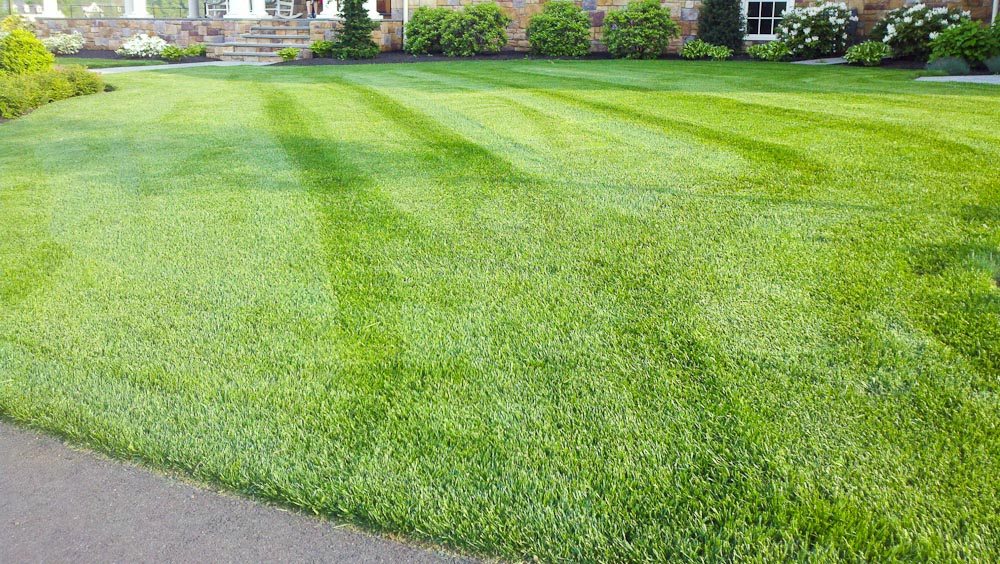
You walk outside on a June morning, coffee in hand, and look down at your lawn. It's thin. It's patchy. Some of it is a worrying shade of tan. Meanwhile, your neighbor's Bermuda lawn looks like a golf course. What gives?
If you've got tall fescue, here's a little reassurance: you're not doing anything wrong. But there are a few things you can do to help your lawn survive the summer, and come back strong in the fall.
Tall fescue is a cool-season grass, which means it does its best growing when temperatures are between 60°F and 75°F. That's great news in spring and fall, but when July rolls around in Nashville, Charlotte, or Greenville and temps are regularly pushing 90°F or higher, fescue just isn't built for it.
Unlike warm-season grasses like Bermuda or Zoysia, fescue doesn't have the deep drought-fighting root system or the heat-loving genetics to thrive through a Southern summer. It grows aggressively in the fall, takes a breather in winter, puts on another show in spring — and then hits a wall in summer.
The result? Thinning, browning, and what some people call summer dormancy. It's not always dead. But it is stressed.
Here's where a lot of homeowners panic unnecessarily. Some summer thinning and color change in tall fescue is completely normal. The grass slows down, conserves energy, and waits for cooler weather. Think of it as the lawn equivalent of going into hibernation mode.
What you should pay attention to: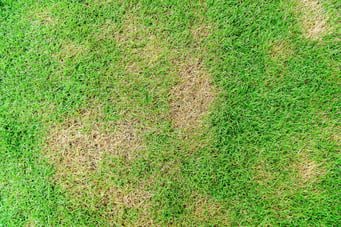
Browning around the edges of blades — often just heat and drought stress. Keep watering and it may green back up when temps drop.
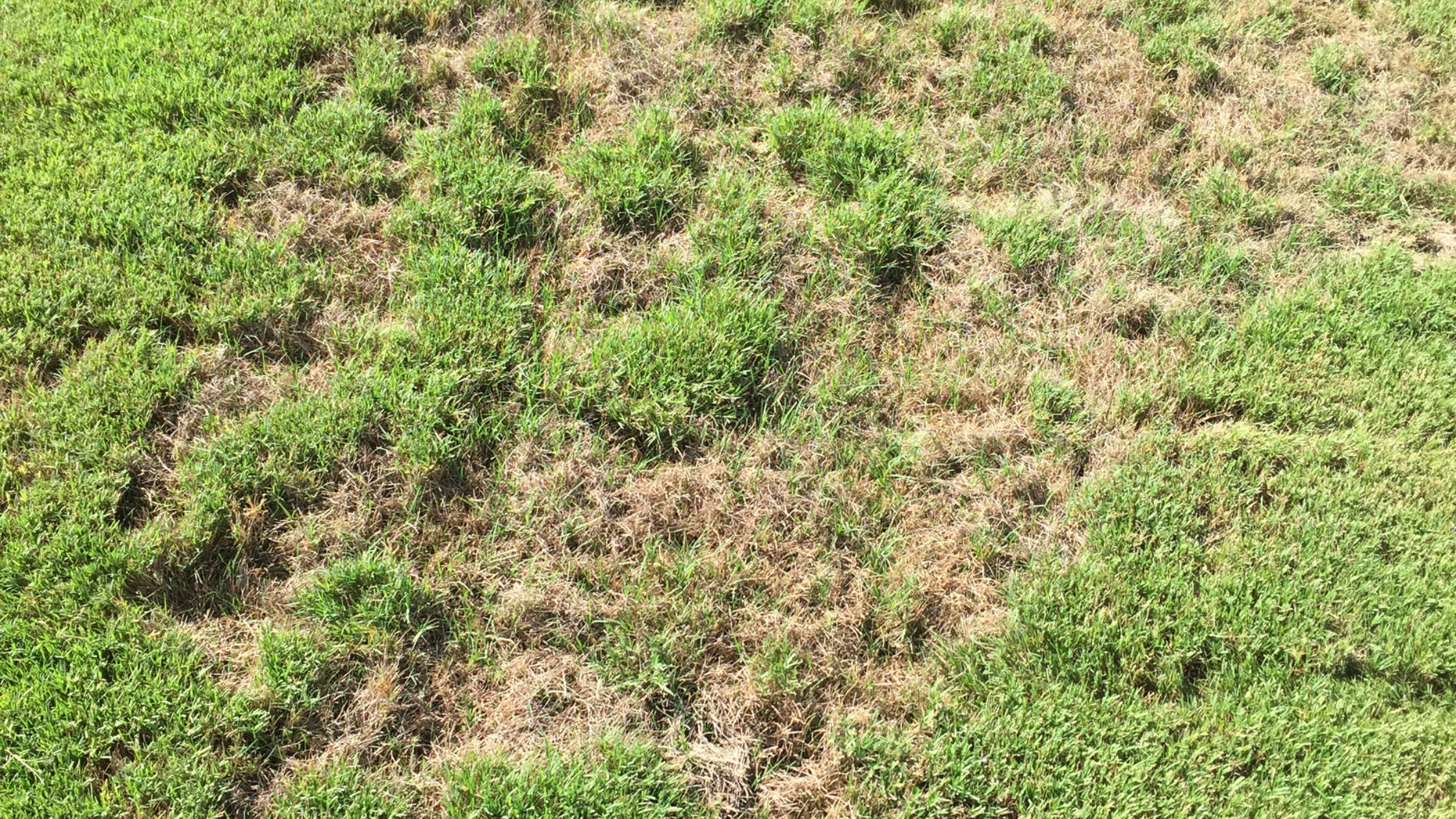
Thin or bare patches — this is common in full-sun areas where the heat is most intense. These spots will need to be addressed in the fall with overseeding.
Mushy, dark, or foul-smelling areas — this could indicate a fungal disease like brown patch, which loves hot, humid Southern summers. That's not dormancy, that's a problem worth treating.
See more: Summer Fungus Alert: How to Spot Brown Patch, Dollar Spot & More
If you're not sure which category your lawn falls into, a quick call to a lawn care professional can save you a lot of guesswork.
The best thing you can do for a stressed fescue lawn in summer is play good defense. Here's what that looks like:
Water deeply and infrequently. Fescue needs about an inch of water per week during summer. Water in the early morning (ideally between 2–6 a.m.) to reduce evaporation and give blades time to dry before evening. Deep, less frequent watering encourages roots to grow deeper — which is exactly what you want.
See more: Watering Instructions (How Much To Water Your Lawn)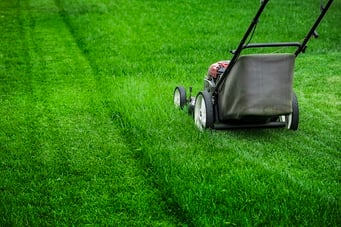
Mow high. Set your mower to 3.5–4 inches for fescue. Taller grass shades the soil, holds moisture longer, and reduces stress on the plant. Cutting too short in summer is one of the fastest ways to push an already-struggling lawn over the edge.
See more: How To Mow Your Lawn Correctly
Ease up on fertilizer. Summer is not the time to push fescue with nitrogen. Heavy fertilization during heat stress can actually make things worse by forcing growth the plant can't sustain. Hold off until early fall when the grass is ready to respond.
Don't panic about thin spots. Bare patches in the summer don't need to be fixed in the summer. Trying to seed in July heat is almost always a losing battle. Mark the spots, make a plan, and address them in September or October when conditions favor germination.
See more: Revitalize Your Lawn: The Science behind Aeration & Seeding
Here's the good news for fescue homeowners: fall is your season. When temperatures drop back into the 60s and 70s, tall fescue wakes up and goes to work. That's when overseeding is most effective, when aeration pays off the most, and when you can actually undo a lot of the summer damage.
Core aeration in the fall breaks up compacted soil, improves water and nutrient absorption, and creates ideal conditions for new seed to take root. Pair it with overseeding and starter fertilizer, and you're setting your lawn up to look noticeably better by next spring.
The homeowners who have the best-looking fescue lawns are the ones who survive summer with reasonable care, then invest in the right treatments at the right time in fall.
Managing a cool-season lawn in a warm-season climate takes a little extra know-how, and that's where Top Turf comes in. Our team knows the specific challenges fescue faces in markets like Nashville and Charlotte, and we can help you put together a care plan that makes the most of fall's growing window.
Whether you need Aeration and Seeding, or just some expert eyes on what's happening in your yard right now — we're here for it. Reach out to Top Turf today and let's talk about what your fescue lawn needs to thrive.
 Top Turf : 6/8/26, 11:31 AM
Learn how to recognize lawn heat stress before it becomes lawn damage — and what southern homeowners can do to help their grass survive summer.
 Top Turf : 9/22/26, 11:28 AM
Grass seed not coming up? Here are the 6 most common reasons fall seeding fails in Southern lawns — and how to fix it before winter.
 Top Turf : 5/19/26, 11:21 AM
Discover the ideal mowing heights for Bermuda, Zoysia, and Tall Fescue lawns across the southeastern US to keep your grass healthy all summer.