




 Top Turf
Is Your Lawn Stressed Out? How to Spot and Treat Summer Heat Stress
 Top Turf : 6/8/26, 11:31 AM
Learn how to recognize lawn heat stress before it becomes lawn damage — and what southern homeowners can do to help their grass survive summer.
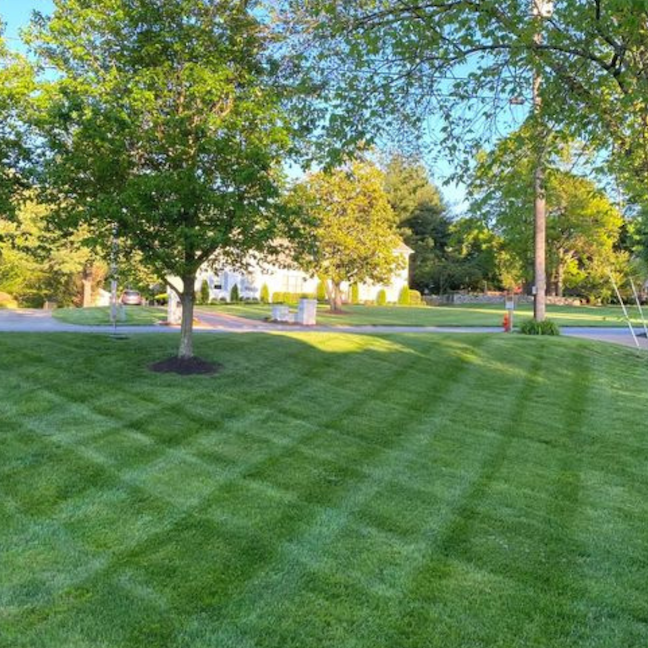
If you've ever stepped off the mower, looked at your yard, and thought, "Hmm, that looks a little...scalped," you're not alone. Mowing height is one of those small decisions that quietly makes or breaks a lawn — especially as we slide out of spring and into the long, hot southern summer. Get it right, and your grass laughs off the heat. Get it wrong, and you're staring at brown patches by July.
The tricky part? The "right" height depends entirely on what kind of grass you have. So let's break it down by the three turf types you're most likely to see in Nashville, Charlotte, Greenville-Spartanburg, Atlanta, and DFW.
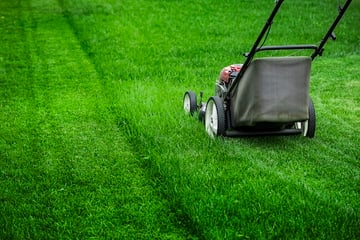
Here's the science in plain English: every blade of grass is essentially a tiny solar panel. The more leaf surface you leave standing, the more sunlight your lawn can convert into the energy it needs to grow strong roots, fight off weeds, and survive heat stress. Scalp it too short and you're not just shaving off the green,you're starving the plant.
There's a golden rule that pros live by called the One-Third Rule: never remove more than one-third of the grass blade in a single mow. If your Bermuda is supposed to live at 1.5 inches, you should be mowing when it hits about 2.25 inches, not when it's flopping over at four. Following the one-third rule keeps your grass from going into shock and reduces the brown, ragged "thatchy" look that happens after a too-aggressive cut.
Why does any of this matter more in summer? Because heat, drought, and foot traffic all pile on stress at the same time. A lawn that's mowed at the proper height has deeper roots, holds moisture better, and shades out weed seeds before they can germinate. A lawn that's mowed too short does the opposite — it bakes.
Bermuda is the king of southern lawns — you'll find it everywhere from Atlanta cul-de-sacs to DFW backyards. It's a warm-season grass that thrives in heat and actually *wants* to be cut shorter than most other turf types.
For common Bermuda, aim for a mowing height of 1 to 1.5 inches during the active growing season.
Pro tip: as summer heats up, bump your mowing height up by a quarter to a half inch. That little bit of extra leaf shades the soil, keeps roots cooler, and dramatically reduces watering needs.
Zoysia has been gaining serious ground in southern yards over the last decade, and for good reason — it's dense, soft, and handles shade better than Bermuda. It's also a little fussier about mowing height.
For most Zoysia varieties (Empire, Zeon, Meyer), the sweet spot is 1 to 1.5 inches. Finer-bladed varieties like Zeon can go on the lower end; coarser types like Meyer prefer the higher end. The key with Zoysia is consistency — it doesn't bounce back from scalping the way Bermuda does, so if you let it get tall and then chop it down, you'll see ugly yellow stems for weeks.
If you're not sure what Zoysia variety you have, play it safe and stay around 2 inches. Your lawn will thank you.
Tall Fescue is the cool-season holdout in our region — common in the Nashville area and northern parts of the Carolinas where summers are slightly less brutal. And here's where the advice flips completely: the hotter it gets, the higher you should mow your Fescue.
In spring, you can keep Tall Fescue around 3 inches. But as soon as we hit late May and temperatures start climbing into the high 80s and 90s, raise that blade to 3.5 to 4 inches. Yes, really. Taller grass shades its own soil, retains moisture, and keeps the crown of the plant from cooking in the heat. A Fescue lawn mowed at 2 inches in June is a Fescue lawn that's brown by August.
If you're in Nashville or the upstate of South Carolina and you've got Fescue, this is the single most important mowing change you can make this month.
Beyond height, a few small habits make a big difference: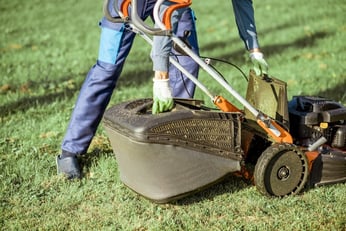
Keep your blade sharp. A dull blade tears grass rather than cutting it, leaving frayed tips that turn brown and invite disease. Sharpen at least once a season — twice if you've got a big yard.
Mow when the grass is dry. Wet grass clumps, clogs your deck, and gets cut unevenly. Early evening or mid-morning is usually your best window in the SE.
Bag your clippings. Removing the trimmings from the lawn prevents buildup and keeps your yard looking clean. Bagging also helps prevent the spread of weed seeds — if your lawn has any weeds that have gone to seed, leaving clippings behind can scatter them across your yard. While grasscycling can return some nutrients to the soil, bagging ensures clippings don't smother grass or contribute to thatch if you're mowing less frequently.
Change your mowing pattern. Mowing the same direction every week causes ruts and makes the grass lean. Switch it up — horizontal one week, diagonal the next.
Learn More: Mow-mentum: Mastering Your Summer Lawn Care Routine
Honestly, there's a lot to keep track of, the right nutrients, the right timing, the right products for your specific grass type. If you'd rather be enjoying your weekends than worrying about soil health, that's exactly what we're here for.
Top Turf's Fertilization and Weed Control crews know every grass type in the Southeast inside and out. We dial in the right program for your specific lawn — whether that's feeding a low-maintenance Bermuda in DFW, nourishing a lush Zoysia carpet in Atlanta, or keeping heat-tolerant Fescue thriving in Nashville. Give us a shout, and we'll keep your yard healthy and green all summer long.
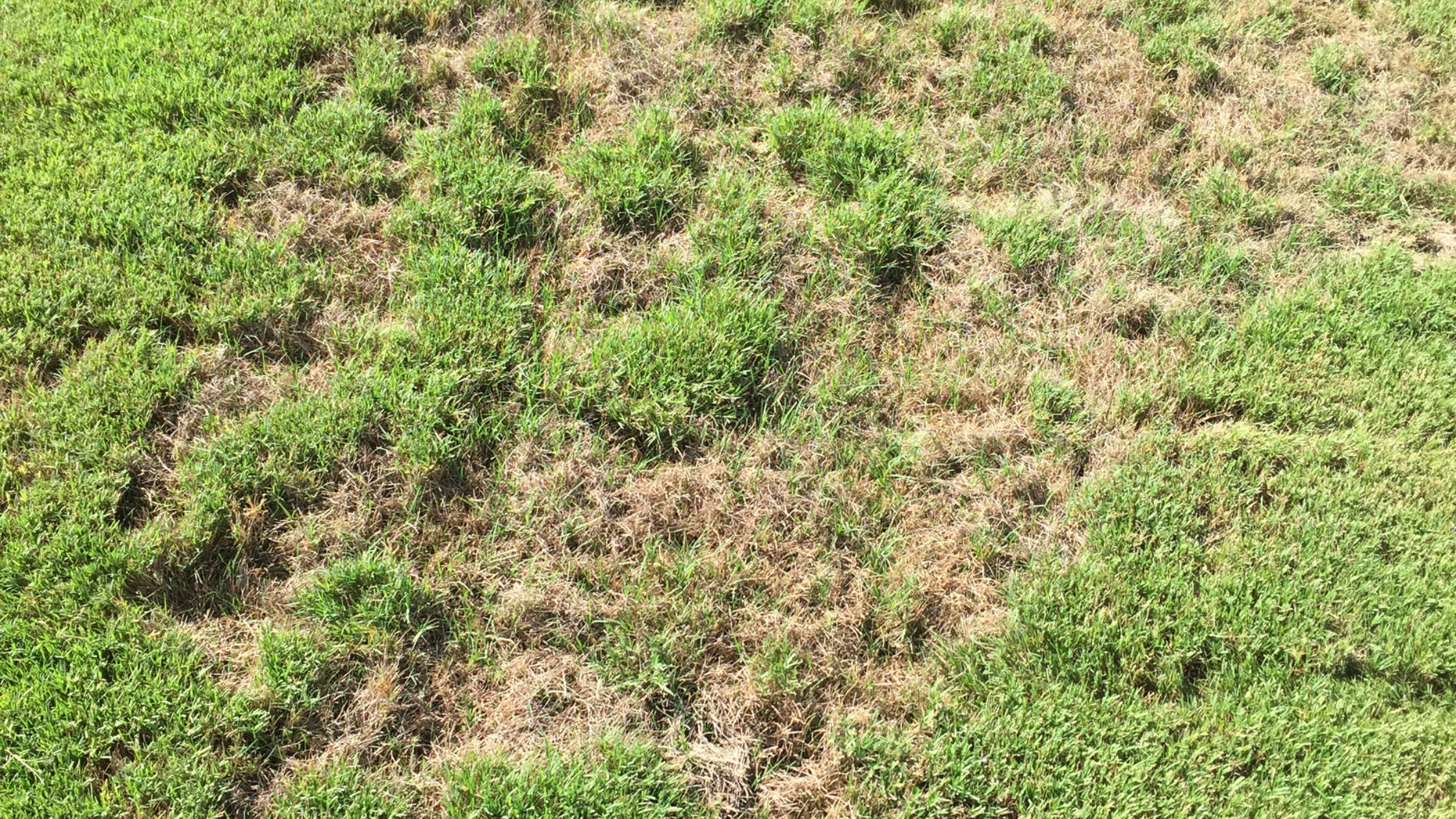 Top Turf : 6/8/26, 11:31 AM
Learn how to recognize lawn heat stress before it becomes lawn damage — and what southern homeowners can do to help their grass survive summer.
 Top Turf : 7/7/26, 10:43 AM
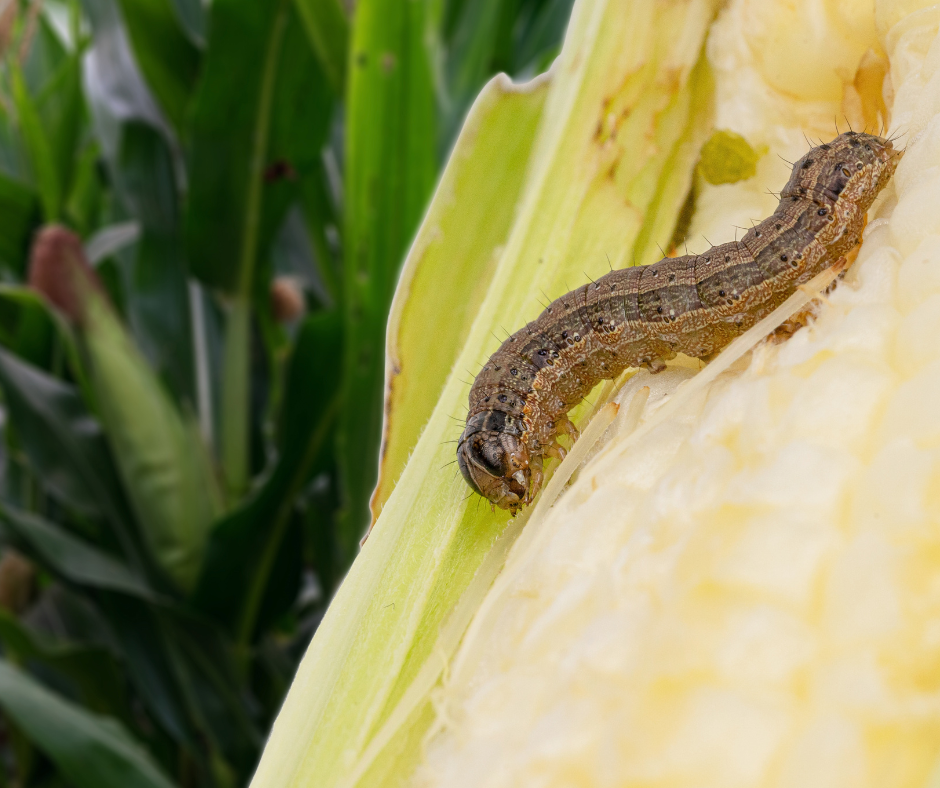
Armyworms can strip a Southern lawn overnight. Learn how to spot the signs, check for them, and protect Bermuda, Zoysia & Fescue this summer.
 Top Turf : 9/8/26, 12:17 PM
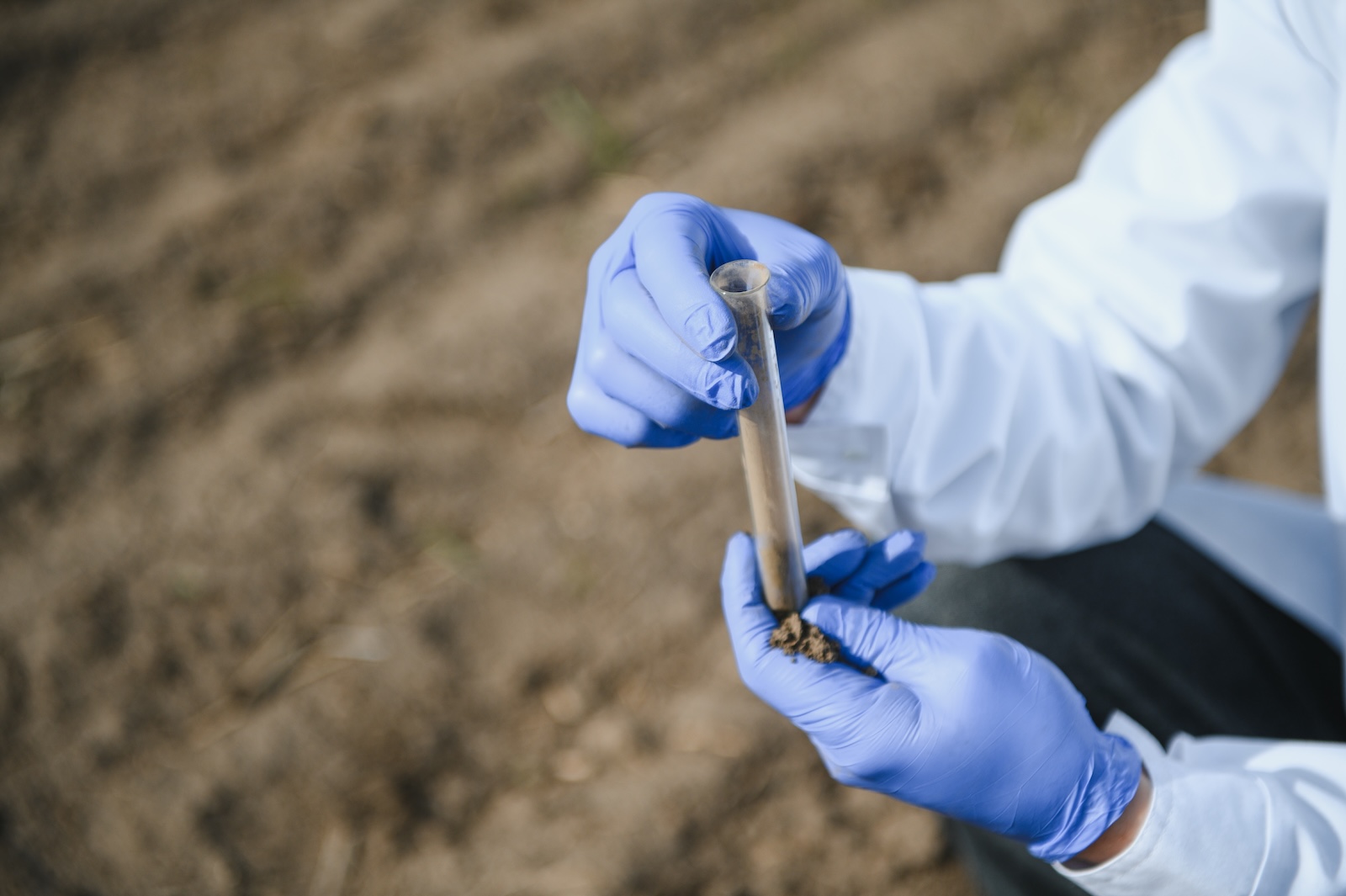
Fall is the best time for a lawn soil test. Learn how to check your lawn's pH, read the results, and fix acidic Southern soil.