


Skip to the main content.
Call Today!    phone-volume-solid

3 min read

Beat the July Drought: Smart Watering Strategies for Southern Lawns

Beat the July Drought: Smart Watering Strategies for Southern Lawns

If your lawn is looking a little crispy around the edges right now, you're not alone. Between the blazing sun and the lack of rain, July is peak stress season for lawns from Nashville to Dallas-Fort Worth. The good news? A few smart tweaks to how and when you water can make the difference between a lawn that limps through August and one that bounces back strong.

Let's talk about watering the right way, because more water isn't always the answer. Sometimes it's just about watering smarter.

Why July Hits Southern Lawns So Hard

Summer in the Southeast isn't just hot, it's a whole system working against your grass. High temperatures speed up evaporation, humidity swings can confuse your irrigation timer, and afternoon thunderstorms (when they even show up) often dump water faster than the soil can absorb it, so most of it just runs off.

Add in longer dry stretches, which have become more common across Atlanta, Charlotte, and the Greenville-Spartanburg area in recent summers, and you've got a recipe for stressed-out turf. In Dallas-Fort Worth, where summer heat runs even hotter and drier, the challenge is even more pronounced, and many municipalities layer on official water restrictions during peak months.

The result across all these regions is the same: shallow-rooted, thirsty lawns that brown out fast if watering habits aren't dialed in.

How to Tell If Your Lawn Is Actually Thirsty

Before you crank up the sprinklers, make sure your lawn is actually asking for water and not showing signs of something else, like fungus or pest damage.

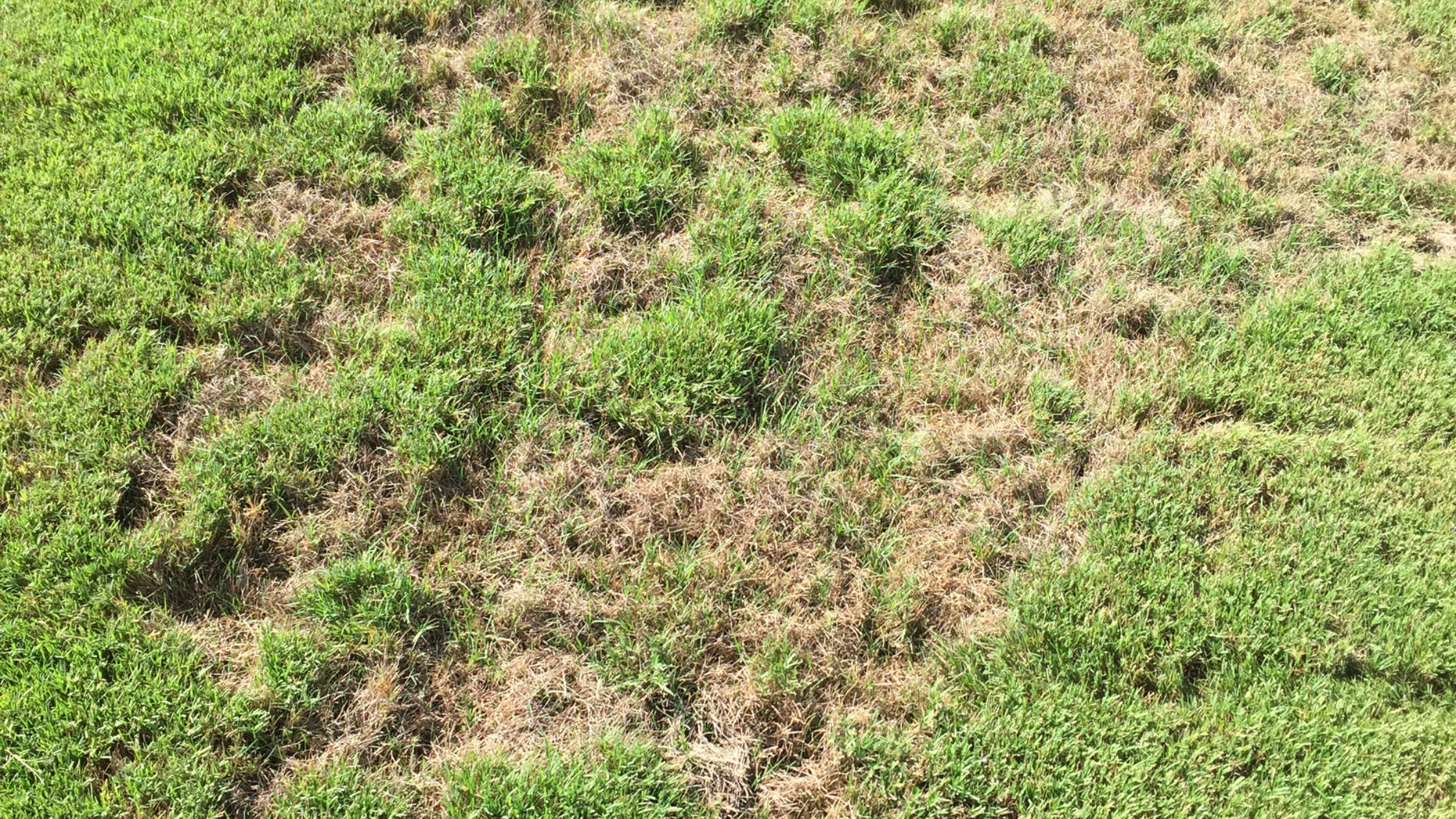
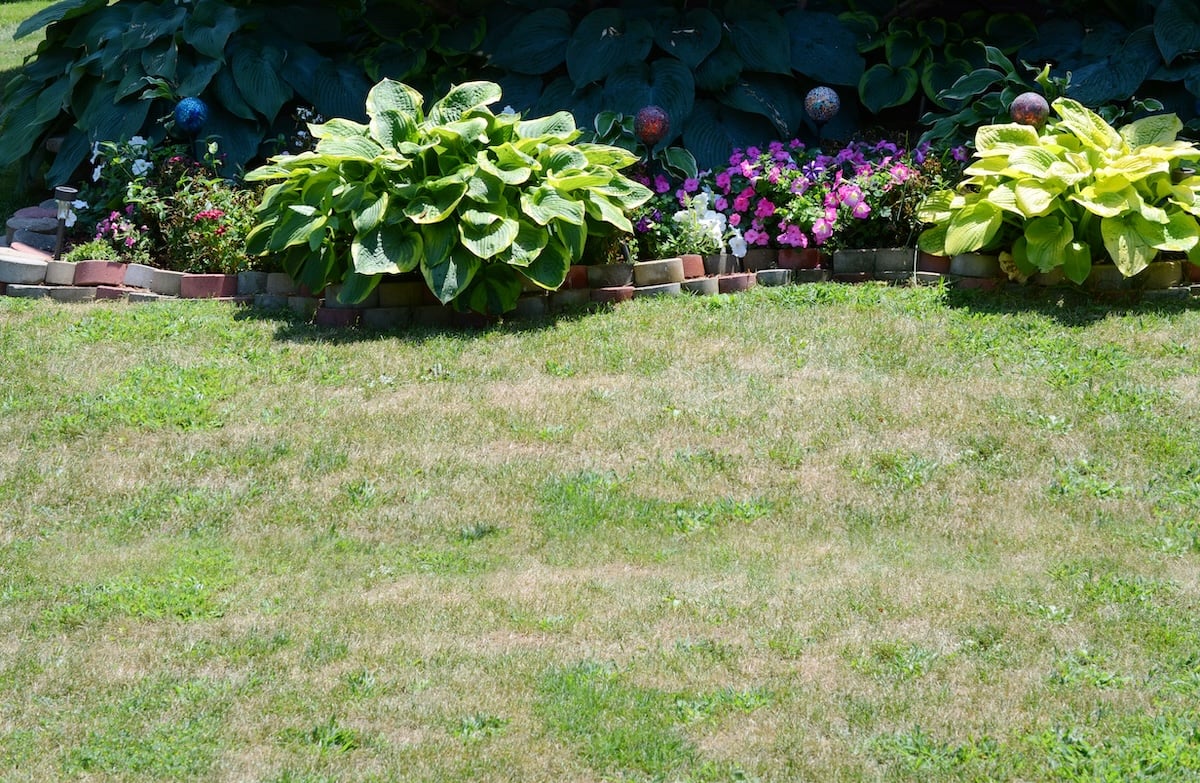
Classic drought stress looks like this: your grass takes on a dull, blue-gray tint before it browns, footprints stay visible in the lawn for more than a few seconds after you walk across it, and blades start folding or curling to conserve moisture.

If you're seeing patchy brown spots with a defined edge, or damage that seems to be spreading in a ring, that's more likely a sign of fungus like brown patch, or pests like chinch bugs or armyworms, not simple drought. Watering more won't fix those problems and can sometimes make fungal issues worse.

See more: Summer Fungus Alert: How to Spot Brown Patch, Dollar Spot & More

Deep and Infrequent Beats Daily and Shallow

Here's the biggest mistake homeowners make in summer: watering a little bit every single day. It feels productive, but it actually trains your grass roots to stay near the surface, where they dry out fast and can't reach the moisture reserves deeper in the soil.

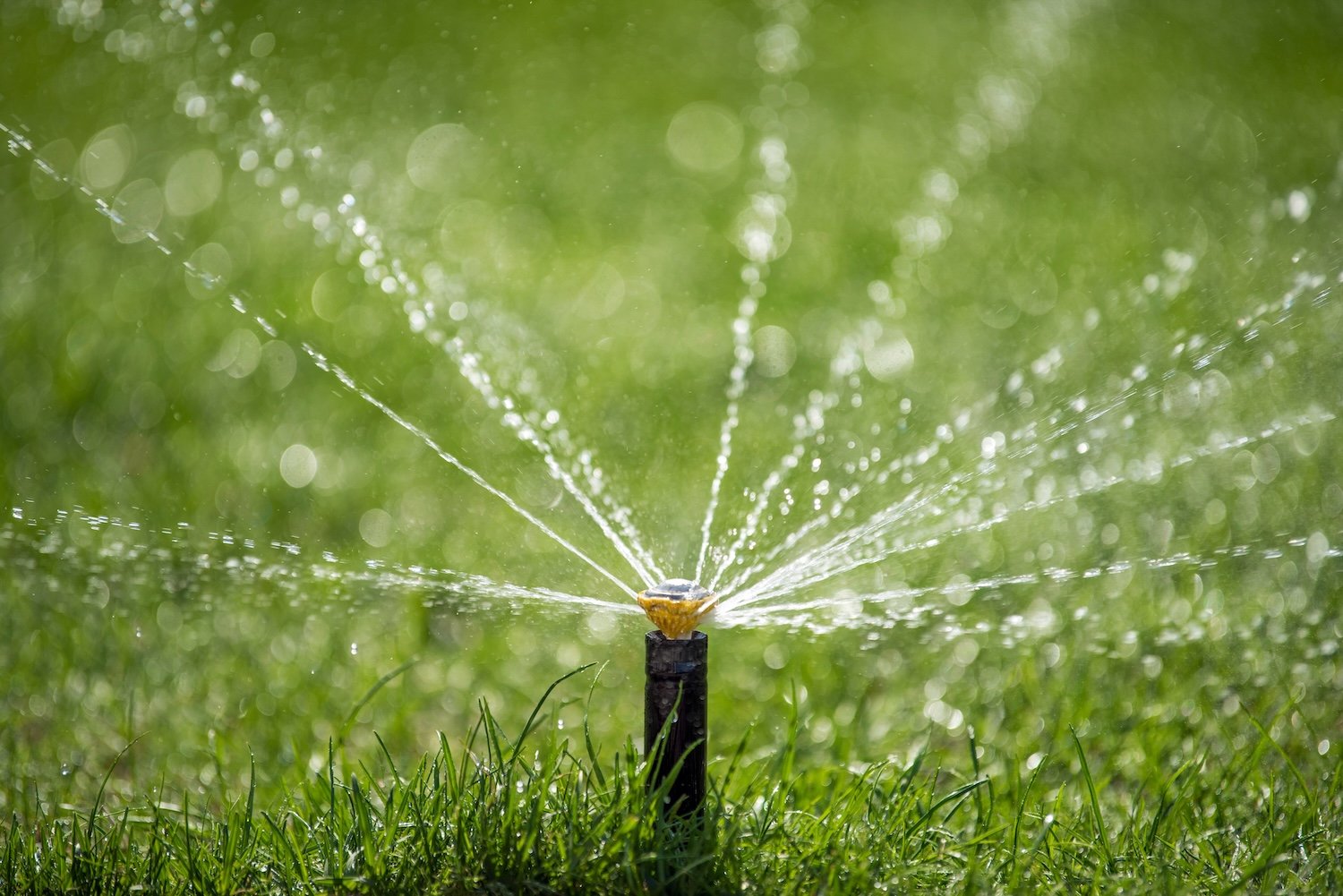
Instead, aim to water deeply, roughly one to one and a half inches per week, split across two to three sessions rather than a daily sprinkle. This pushes roots downward, which builds a more drought-resilient lawn over time.

A simple way to check your coverage: set out a few empty tuna cans or a rain gauge while your sprinklers run, and time how long it takes to collect about half an inch of water. That tells you exactly how long each session needs to run.

Timing Matters More Than You'd Think

When you water can matter almost as much as how much. Early morning, ideally between 2 and 6 a.m., is the sweet spot. Temperatures are cooler, wind is usually calmer, and the water has time to soak in before the sun's heat pulls it back out through evaporation.

Watering in the evening might seem convenient, but it leaves grass blades damp overnight, which creates the perfect environment for fungal issues to take hold, especially with the humidity we get across Nashville, Charlotte, and the Carolinas.

Midday watering is the least efficient option of all. A big chunk of that water simply evaporates before it ever reaches the roots.

Know Your Grass, Adjust Your Approach

Not all Southern lawns handle heat the same way, so your watering plan should account for what's actually growing in your yard.

Bermuda and Zoysia are true warm-season grasses and are naturally built for summer heat. They can handle brief dry spells better than most, and overwatering them is a more common issue than underwatering.

Tall Fescue, on the other hand, is a cool-season grass just trying to survive the Southern summer. It's more prone to heat stress and typically needs slightly more consistent moisture through July and August to avoid going dormant or thinning out.

If your yard has a mix of grass types, or you're not totally sure what you're working with, that's worth figuring out, because it changes how (and how often) you should be watering each zone.

See more: Watering Instructions (How Much To Water Your Lawn)

When It's Time to Call In Backup

Manually adjusting hose timers and hauling out rain gauges every week isn't exactly anyone's idea of a fun summer hobby. But even the best watering habits in the world won't save a lawn that's fighting weeds, thin turf, or nutrient deficiencies underneath the surface.

That's where a properly timed fertilization and weed control program earns its keep. Top Turf's lawn care program is built to strengthen your grass from the roots up, targeting the weeds competing for water and nutrients, and feeding your lawn exactly what it needs to handle summer heat, whether you're dealing with Bermuda in Atlanta or a stubborn patch of Fescue in Nashville.

Pair that with smart watering habits, and your grass has a much better shot at cruising through the rest of summer looking green instead of gray. If your lawn's been looking thirsty or thin lately, reach out to your local Top Turf team, we're happy to take a look and help you build a Fertilization and Weed Control plan that actually works for your yard.

Is Your Lawn Stressed Out? How to Spot and Treat Summer Heat Stress

1 min read

Is Your Lawn Stressed Out? How to Spot and Treat Summer Heat Stress

Summer in the Southeast is no joke. When temperatures are pushing 95°F in Atlanta, Nashville, and Dallas-Fort Worth, and the humidity is doing its...

How Low Should You Go? Your Southern Lawn's Ideal Mowing Height for Summer

1 min read

How Low Should You Go? Your Southern Lawn's Ideal Mowing Height for Summer

If you've ever stepped off the mower, looked at your yard, and thought, "Hmm, that looks a little...scalped," you're not alone. Mowing height is one...

Seasonal Lawn Care Simplified: Watering, Fertilizing, and Weed Control

1 min read

Seasonal Lawn Care Simplified: Watering, Fertilizing, and Weed Control

Healthy lawns depend on the right balance of water, fertilizer, and weed control. When you understand how watering, equipment, temperature, and...