

Skip to the main content.
Call Today!    phone-volume-solid

3 min read

Pruning Season FAQ: What to Trim Now, What to Wait On, and What to Leave Alone

Pruning Season FAQ: What to Trim Now, What to Wait On, and What to Leave Alone

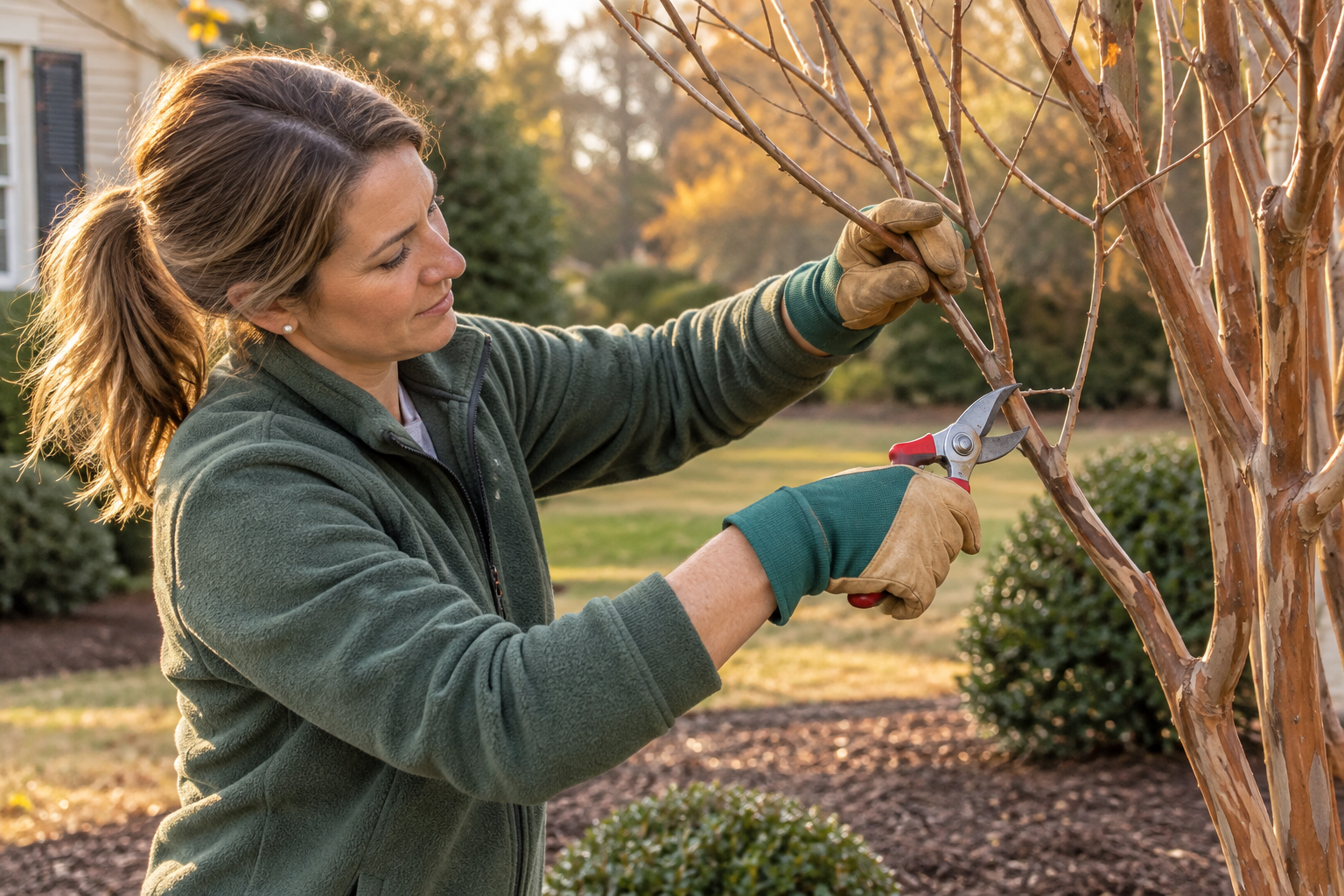
The leaves are dropping, the mower is (mostly) parked, and suddenly you're staring at your crape myrtle thinking, "Should I do something about you?" You're not alone. Every fall and winter, homeowners from Nashville to Dallas grab the loppers and wonder if they're helping or hurting. Let's answer the most common pruning questions so you can trim with confidence.

Is November a good time to prune?

Sometimes! The sweet spot for pruning most deciduous trees (the ones that drop their leaves) is the dormant season, after the leaves have fallen and the tree has settled in for winter. With the leaves gone, you can see the branch structure clearly, and the tree isn't actively growing, so cuts heal with less stress.

The key word is dormant. If you have a warm spell like we often get in Atlanta, Charlotte, and DFW, wait until after a few good frosts. Pruning too early can nudge a tree to push out tender new growth that the next cold snap will zap.

Dead, broken, or hanging branches are the exception. Those can come out any time of year, especially before a winter storm turns them into a hazard over your roof or driveway.

See more: Get Rooted: Fall Secrets for Thriving Trees and Shrubs All Year

What about crape myrtles?

This is the big one across the Southeast. Crape myrtles are everywhere, and so is the temptation to chop them to stubs every year. You may have heard this called "crape murder," and for good reason.

Here's what to know:

- Wait until late winter, usually February into early March, before buds begin to swell.
- Remove only what's needed: dead wood, crossing branches, and suckers at the base.
- Skip the topping. Cutting thick branches back to blunt stumps leads to weak, whippy growth and fewer blooms.

If your crape myrtle is too big for its spot, that's a sign it's time to think about relocating it or hiring a pro, not butchering it every winter.

What about oak trees?

If you have oaks (and in Nashville and the Texas side of our service area, plenty of us do), winter is truly the best time to prune. Oaks pruned during the warmer months can attract beetles that spread oak wilt, a serious disease that's especially a concern in parts of Texas. Dormant-season pruning dramatically lowers that risk.

Bigger limbs near power lines or your home are a job for a trained, insured professional. A bad cut on a large limb can cause lasting damage, and a bad fall can cause a lot worse.

Which shrubs should wait?

This is where people get tripped up. Many of our favorite shrubs set their flower buds in summer or fall and then carry them through winter. Trim them now and you're cutting off next spring's flowers.

Hold off on pruning these until right after they bloom:

- Azaleas and camellias
- Forsythia
- Bigleaf hydrangeas (the blue and pink mophead types)
- Oakleaf hydrangeas
- Lilac and quince

These are fine to prune in late winter, before new growth begins:

- Panicle hydrangeas (like 'Limelight')
- Smooth hydrangeas (like 'Annabelle')
- Abelia, spirea, and most summer-blooming shrubs

When in doubt, ask: "Does this plant bloom in spring or summer?" Spring bloomers get pruned after the show. Summer bloomers can usually be pruned before the season starts.

What should I do right now?

November is a great time for a few simple jobs that don't risk any plants:

1. Clean up the obvious. Remove dead, diseased, or broken branches.
2. Sharpen and clean your tools. Wipe blades with rubbing alcohol so you're not spreading disease from plant to plant.
3. Make a plan. Walk your yard and note which plants need work in late winter and which should wait for spring.
4. Feed the roots. The ground stays workable well into winter in our region, which makes this a wonderful time for deep root fertilization. Roots keep growing even after the leaves are gone, and a fall feeding helps trees and shrubs bounce back strong in spring.

Learn more: Fall Cleanup Checklist: The Ultimate Guide for Yard & Garden Prep

Let the pros help

Healthy trees and shrubs don’t happen by accident. They need the right nutrients and protection at the right time. At Top Turf, our Tree and Shrub Care Program helps homeowners across Nashville, Charlotte, Greenville-Spartanburg, Atlanta, and Dallas-Fort Worth keep their landscapes strong with targeted disease and insect treatments and deep root fertilization. We know what to look for, when to treat, and how to feed your plants so they can thrive.

Winter is a great time to get started. Deep root fertilization delivers nutrients straight to the root zone, so your trees and shrubs are ready to grow when the weather warms up. Reach out to your local Top Turf team to learn more about our tree and shrub care program. Your trees and shrubs will thank you come spring!

Learn more: Deep Root Fertilization for Trees and Shrubs

Japanese Beetle FAQ: What's Chewing Up Your Roses, Crape Myrtles, and Lawn This Summer?

Japanese Beetle FAQ: What's Chewing Up Your Roses, Crape Myrtles, and Lawn This Summer?

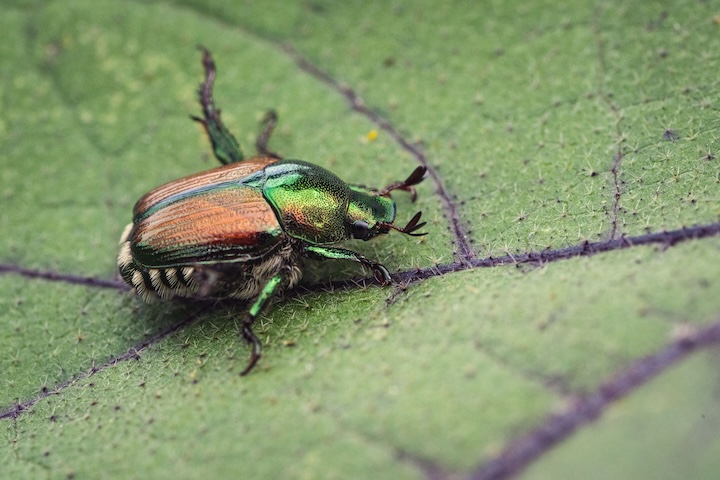
Metallic green bugs skeletonizing your plants? Get answers on Japanese beetles—why they're here, what they damage, and how to fight back.

What Are Those Webs in My Trees? Your Fall Webworm Questions, Answered

What Are Those Webs in My Trees? Your Fall Webworm Questions, Answered

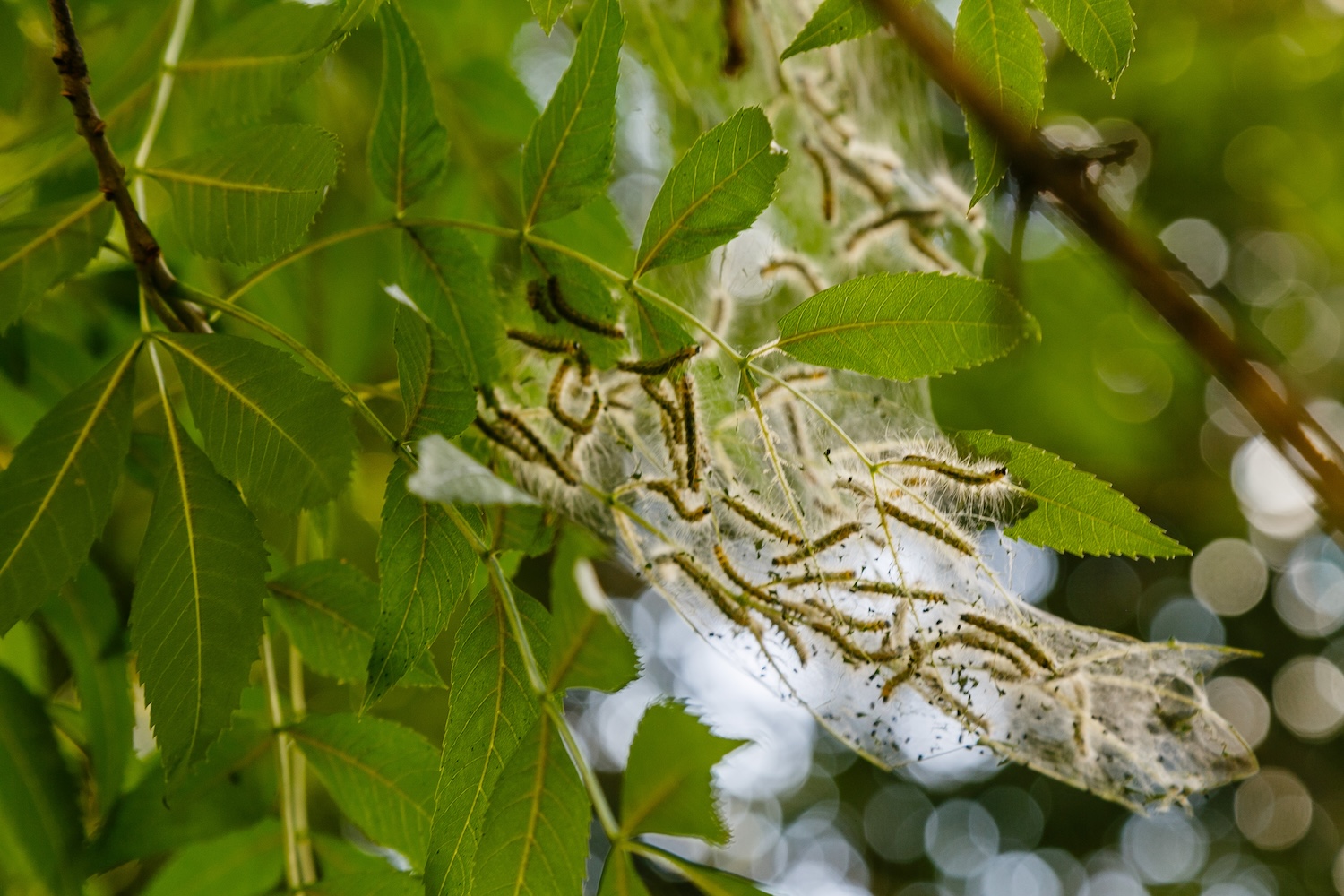
Spotting white webs in your trees? Here's what fall webworms are, whether they hurt your trees, and how to handle them.

Is August Heat Stressing Your Trees & Shrubs? Here's How to Tell (and What to Do)

Is August Heat Stressing Your Trees & Shrubs? Here's How to Tell (and What to Do)

Drooping crape myrtles? Crispy leaf edges? Learn the signs of summer heat stress on trees and shrubs and how to help them bounce back.