

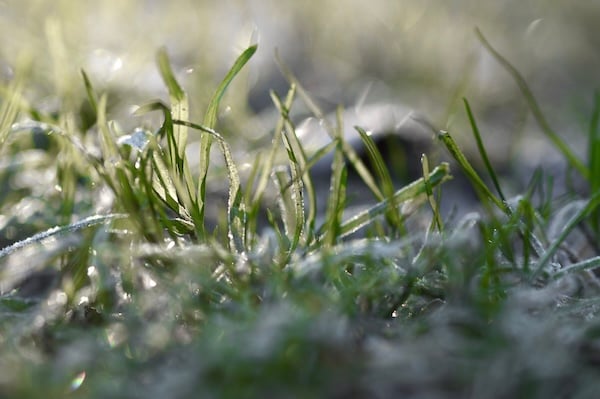
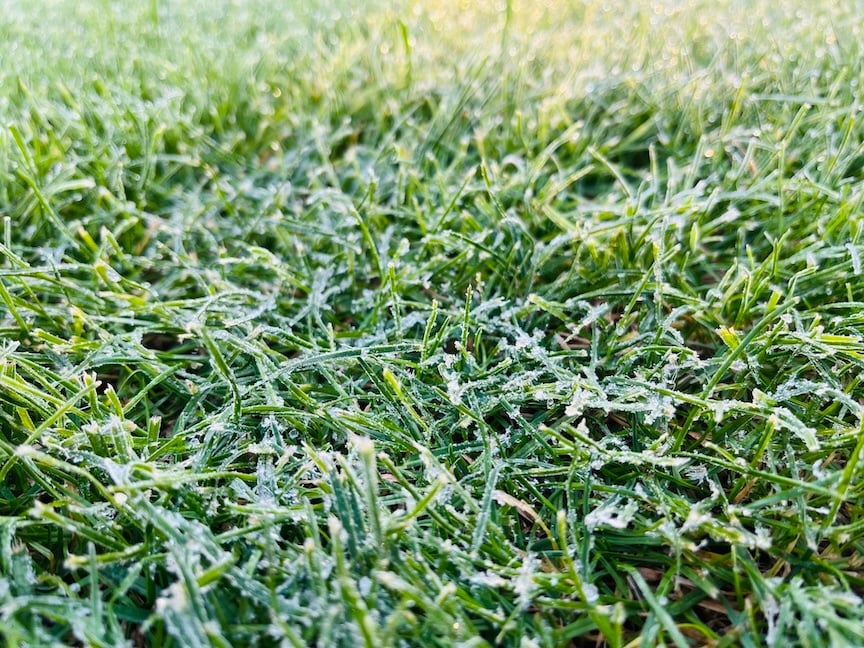
Crunch, Crunch, Uh-Oh: Is Walking on a Frosty Lawn Really Bad for Your Grass?
Is walking on frosty grass bad for your lawn? Learn why frozen blades break, which grasses are at risk, and how to protect your lawn this winter.
3 min read
Top Turf
:
Published
Back in July, we gave you a city-by-city guide to surviving the dog days of summer. Now the script has flipped: Bermuda lawns are turning tan, fescue is having its best weeks of the year, and the first real cold snaps are rolling through.
But "winter" means something pretty different in Nashville than it does in Fort Worth. So let's take a quick road trip through Top Turf country and talk about what your lawn needs this season, wherever you call home.
Before we split up by city, here's what applies across the board.
Dormant doesn't mean dead. If you have Bermuda or Zoysia, that straw-colored look is your grass hitting pause until spring. The roots are alive and well underground.
See more: Understanding Lawn Dormancy: What It Is And How To Manage It
Winter weeds love a sleeping lawn. Henbit, chickweed, Poa annua and wild onion thrive in cool weather, and a dormant lawn gives them plenty of elbow room. They're much easier to knock out while they're small than after they flower in late winter.
This winter may be a soggy one. Forecasters are tracking a strong El Niño this year, and NOAA's outlook leans wetter than normal for much of the country, including parts of the South. Wet winters mean softer soil, more compaction from foot traffic, and happier conditions for weeds and lawn disease. Keep that in mind as you read on.
Middle Tennessee sits right in the "transition zone," which is a fancy way of saying it's a little too cold for warm-season grasses to be totally comfortable and a little too hot for cool-season grasses to be totally comfortable. That's why you'll see Bermuda, Zoysia and Tall Fescue lawns all on the same street.
If you have Tall Fescue: It's still growing, so keep it happy. Clear fallen leaves promptly (a thick, wet leaf layer can smother fescue fast) and keep mowing at about 3 to 3.5 inches as long as it's growing.
If you have Bermuda or Zoysia: Nashville typically sees the hardest freezes of our five markets. Try to stay off the lawn when it's frozen or frosty, since walking on brittle, frozen blades can leave behind damaged footprints.
For everyone: Middle Tennessee clay holds water. If your yard stays squishy after winter rains, avoid parking cars or trailers on it and save heavy projects for drier days.
The Carolinas' Piedmont region shares a lot of the same lawn personality: plenty of fescue lawns, plenty of Bermuda and Zoysia, and that famous red clay soil underneath it all.
Watch for Poa annua. This bright-green, clumpy grass with tiny white seed heads loves the cool, damp winters of the Upstate and the Charlotte metro. On a dormant Bermuda lawn it sticks out like a sore thumb, and every plant you let go to seed means more next year.
See more: Battling Poa Annua: Identifying and Managing Annual Bluegrass
Mind the drainage. Red clay compacts easily, especially when it's wet. If you notice puddles that hang around for a day or more after rain, make a note of those spots. They're great candidates for core aeration during the next growing season.
Fescue lawns: If you aerated and seeded this fall, keep that young grass free of leaves and avoid heavy traffic on it through winter so it can finish rooting in.
Most metro Atlanta lawns are warm-season turf, so by now they've gone mostly tan. That makes winter in Atlanta all about prevention.
Spot-treat winter weeds on mild days. Atlanta gets plenty of 50- and 60-degree afternoons in winter, and that's when broadleaf weeds like henbit and chickweed are most responsive to treatment.
Spring pre-emergent comes sooner than you think. In the Atlanta area, crabgrass starts germinating once soil temperatures warm to around 55 degrees, which can happen as early as mid-to-late February. Missing that window is one of the most common reasons homeowners end up fighting crabgrass all summer.
DFW winters are famous for 70-degree afternoons followed by a blue norther that drops temperatures 40 degrees overnight. Your dormant Bermuda can handle it, but a little preparation helps.
Water before a hard freeze if it's been dry. Moist soil holds heat better than dry soil, so if North Texas has gone a few weeks without meaningful rain, a light watering a day or two before a predicted hard freeze can help protect roots. Dormant lawns generally don't need much water in winter, but bone-dry soil during an arctic blast is a recipe for winterkill.
Protect your sprinkler system. Exposed backflow preventers and above-ground pipes are vulnerable when temperatures plunge. Insulate them before the next cold front, not during it.
See more: Don't Get Caught by the First Freeze: Your Fall Sprinkler Winterization Checklist
Stay ahead of weeds. DFW's mild stretches give winter weeds lots of chances to grow. A consistent winter weed control plan keeps them from taking over before spring.
Winter may be the quiet season for your lawn, but it's not the season to ignore it. The weeds you control now, the drainage problems you spot now, and the pre-emergent you schedule now all show up in how green your yard looks next May.
Whether you're in Nashville, Charlotte, Greenville-Spartanburg, Atlanta or Dallas-Fort Worth, Top Turf's local teams know exactly what your grass type and your climate need this time of year. From winter weed control and spring pre-emergent to tree and shrub care, we've got your yard covered while you stay cozy indoors. Reach out anytime and we'll put together a winter-to-spring plan that fits your lawn.
Is walking on frosty grass bad for your lawn? Learn why frozen blades break, which grasses are at risk, and how to protect your lawn this winter.
Late-July heat hits every Southern lawn differently. Here's what your grass needs right now in Nashville, Charlotte, Atlanta, Greenville-Spartanburg,...
Discover the ideal mowing heights for Bermuda, Zoysia, and Tall Fescue lawns across the southeastern US to keep your grass healthy all summer.