


Skip to the main content.
Call Today!    phone-volume-solid

2 min read

Old Wives’ Tales: Is Your Backyard Advice Fact or Fiction?

Old Wives’ Tales: Is Your Backyard Advice Fact or Fiction?

When it comes to a green lawn and a bug-free home, everyone has a "secret" remedy. Your neighbor swears by dish soap, your grandmother insists on cinnamon, and someone on the internet says a can of cola is the secret to golf-course grass.

But does this DIY magic actually work, or are you just making a sticky mess of your yard? This spring, we’re putting the most popular "Old Wives' Tales" to the test.
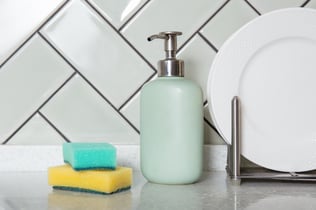

1. Does Dish Soap Kill Grass Pests?kitchen-dishwashing-essentials-on-countertop-2026-03-17-21-30-58-utc

The Tale: Spraying soapy water on your lawn kills grubs and sod webworms.

  • The Verdict: FICTION (Mostly).
  • The Reality: While soap can suffocate some soft-bodied insects on contact, it has no residual effect. More importantly, many household detergents are "degreasers" that strip the protective waxy coating off your grass blades. You might kill a few bugs, but you’ll likely end up with "burned," yellowing grass that’s more vulnerable to the sun.

2. Can a Can of Beer Kill Slugs?

The Tale: Bury a shallow bowl of beer in the garden to drown slugs and snails.
  • The Verdict: FACT.
  • The Reality: Slugs are legitimately attracted to the yeast and sugars in beer. They crawl in for a drink and... well, they don't crawl out. It’s an effective "trap," but it won't solve a massive infestation. Plus, it only works for the slugs in the immediate 2 to 3-foot radius.

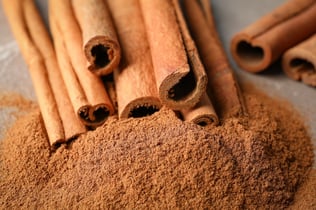
3. Does Cinnamon Stop Ants in Their Tracks?cinnamon-sticks-and-powder-on-grey-background-clo-2026-01-09-08-19-55-utc

The Tale: Sprinkle cinnamon across your kitchen doorway to create an "impassable" barrier for ants.

  • The Verdict: FICTION.
  • The Reality: Ants don’t like the smell of cinnamon (it interferes with their scent trails), but they aren't repelled by it like a magic force field. They will simply find a way around it, over it, or find a different entry point. If you have an ant problem, you need to find the colony, not just season your floorboards.

4. Is "Club Soda" the Secret to Green Grass?

The Tale: Pouring carbonated water on brown spots provides CO2 and minerals that "wake up" the roots.

  • The Verdict: FICTION.
  • The Reality: While plants do need CO2, they get it from the air, not their roots. The amount of minerals in a bottle of club soda is negligible compared to what your soil actually needs. You’re better off drinking the soda and giving your lawn a proper shot of nitrogen-rich fertilizer.

5. Do "Bug Zappers" Actually Reduce Mosquitoes?

bug-zapper-2026-03-17-21-29-28-utc

The Tale: That blue-light "zap" in the corner of the yard is keeping you safe from bites.

  • The Verdict: FICTION.
  • The Reality: This is one of the biggest myths in pest control. Studies show that less than 1% of the insects killed by zappers are actually mosquitoes. Mosquitoes are attracted to the carbon dioxide you breathe out, not UV light. Most of the "zaps" you hear are beneficial moths and beetles being toasted!


The Moral of the Story?

Old wives' tales are fun, but they rarely solve the root of the problem. If you want a lawn that’s actually healthy—and a home that’s actually pest-free—science beats a "kitchen cabinet" remedy every time.
Weeds Can Cause Allergic Reactions

1 min read

Weeds Can Cause Allergic Reactions

Weeds are a common nuisance for homeowners, and while they may seem harmless enough, they can actually pose a serious threat to the health of those...

The Secret Life of Tall Fescue Roots Beneath the Freeze!!

1 min read

The Secret Life of Tall Fescue Roots Beneath the Freeze!!

Tall Fescue retains its lush green appearance for most of the year, making it a popular choice over other grass varieties. However, when the harsh...

Winter Weeds: Why Cold Weather Doesn't Mean a Weed-Free Lawn

1 min read

Winter Weeds: Why Cold Weather Doesn't Mean a Weed-Free Lawn

Many homeowners assume that once cold weather arrives, weeds die off and lawn problems disappear until spring. While freezing temperatures may slow...