

Is Your Tall Fescue Quitting on You? A Summer Survival Guide for Cool-Season Lawns in the South
Tall fescue struggling in summer heat? Learn why it happens, what you can do now, and how to set your lawn up for a strong fall recovery.
4 min read
Top Turf
:
Published
Updated
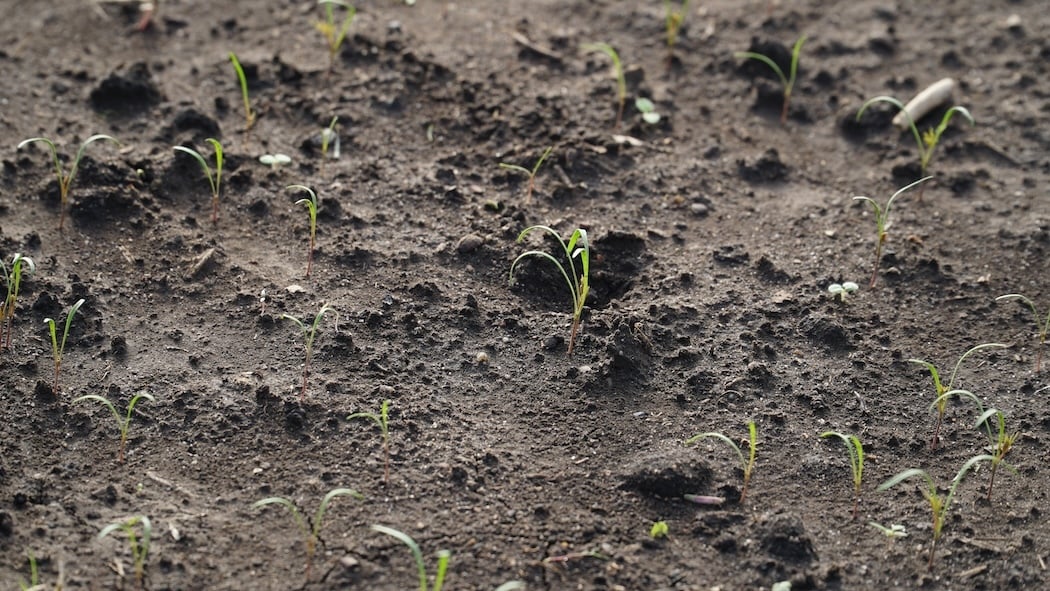
You did everything right. You followed aeration and seeding directions to the T, and you've been checking the yard every single day since. And every single day, it's still just... dirt.
Take a breath. In most cases, nothing has gone wrong yet. But a few things trip up almost every homeowner who seeds in the fall, and knowing which one you're dealing with makes all the difference between a thick lawn next spring and a do-over.
Here's the thing nobody really knows: grass seed is slow. Tall fescue, the go-to cool-season grass for Nashville, Charlotte, Greenville-Spartanburg, and the higher-elevation parts of the Southeast, typically takes 10 to 21 days to germinate. Under perfect conditions you might see green grass start to poke through in 7 to 10 days. Under dry, less-desirable conditions, three weeks is completely normal. Patience is key!
And germination isn't a synchronized event. Seeds sprout in waves. So, for example, if you seeded on the 2 weeks ago and today you're seeing a patchy scatter of seedlings with big bare spots between them, that's not failure, that's the first wave. Give the rest another 10 days before you panic.
If you're past day 21 and still looking at bare soil, then it's time to work through the list below.
This is the big one. We preach deep, infrequent watering all summer long. Soak it once or twice a week, encourage deep roots. But that advice is exactly wrong for new seed.
A grass seed has no roots. It can only use moisture in the top half-inch of soil, and in a Southern September, that top half-inch can bake dry in a few hours of afternoon sun. If the seed swells up, starts to germinate, and then dries out completely, it dies. There's no second chance.
So here's what to do instead: new seed needs light, frequent watering, 5 to 10 minutes, two or three times a day, just enough to keep the surface consistently damp. Not soggy, not puddled, just dark and damp. Once seedlings are up, starting to establish roots, and mowed a couple of times, you can start backing off and stretching the intervals.
See more: Aeration & Seeding Aftercare - What's Next?

Seed that lands on top of thatch, leaves, or hard compacted clay is basically seed sitting on a shelf. It needs actual contact with soil to pull moisture and anchor a root.
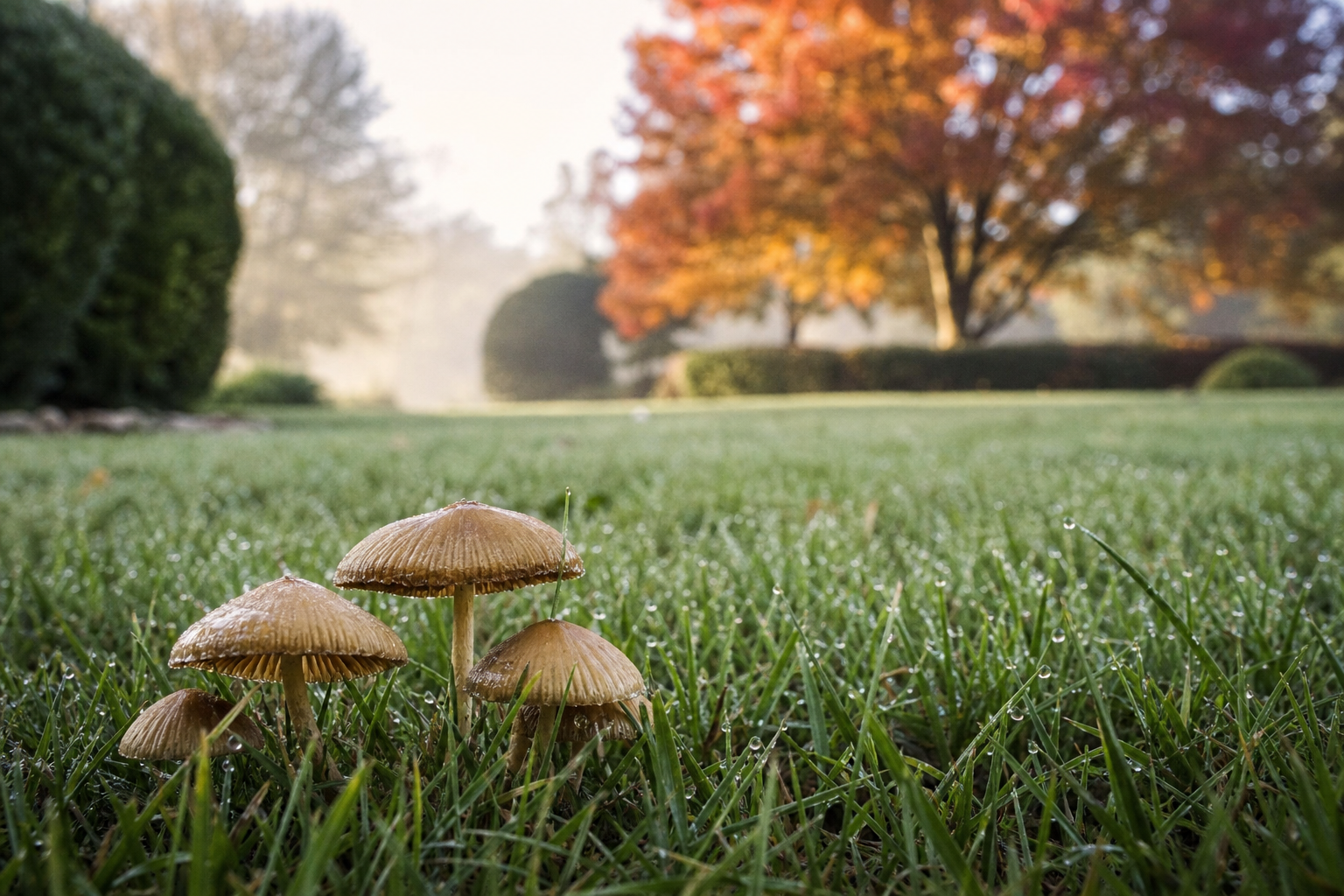
This is exactly why core aeration and seeding go together. Those little plugs pulled out of the lawn leave open holes that catch seed, hold moisture, and shelter seedlings from the sun. It's common to see new fescue come up in visible tufts right out of the aeration holes, that's the system working.
If you broadcast seed onto an un-aerated lawn with a layer of thatch, or onto rock-hard Piedmont clay after a dry stretch, a lot of that seed simply never has a chance. Same goes for seed buried too deep — a quarter-inch is plenty. Any deeper and it runs out of energy before it reaches daylight.
See more: Revitalize Your Lawn: The Science behind Aeration & Seeding
Pre-emergent weed control works by creating a chemical barrier that stops seeds from developing roots. That's great for stopping weed germination, but unfortunately, it cannot tell the difference between a crabgrass seed and your expensive fescue seed.
If a pre-emergent went down in the last few months, or if a fall pre-emergent application landed around the same time as your seeding, that's very likely your answer. As a rule of thumb, you want at least 10 to 12 weeks between a pre-emergent application and seeding. While warm-season lawns like Bermuda and Zoysia will benefit from a Fall pre-emergent treatment, cool-season lawns will suffer. Save their pre-emergents for the Spring. By the way, if you have Top Turf's Fertilization & Weed Control program, you won't have to worry about this. We know our lawns, and we know which grass types need which products at which timing.
This is one of the most common mix-ups we see, and it's a frustrating one because the seed is just gone. If you're on a weed control program and planning to seed, be sure your lawn care provider knows not to apply pre-emergent before you seed. Top Turf makes it a specific concern to avoid applying pre-emergents to cool-season lawns anytime even remotely close to seeding season in the Fall – it's built right into our program.

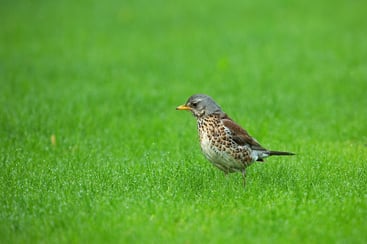
A few more things worth ruling out. Heavy rain right after seeding can wash seed into low spots and gutters — if you've got a suspicious stripe of thick new grass along the curb, that's likely what happened. Also, birds will absolutely help themselves to uncovered seed.
In addition, seeding warm-season grass right now won't work either. Bermuda and Zoysia are heading into dormancy, not waking up. Fall seeding in the South is a cool-season game.
If you've hit day 21 and worked through this list without an obvious answer, don't just dump more seed on top and hope. Seeding into the same conditions usually produces the same result — the underlying problem is almost always contact, moisture, or timing. Not to mention now you've added even more seed competition for the resources that are already scarce.
Top Turf handles Aeration and Seeding across Nashville, Charlotte, Greenville-Spartanburg, and Atlanta, and we time it around your weed control program so the two don't work against each other.
If you'd like a set of experienced eyes on your lawn before the seeding window closes, give us a shout — we're happy to take a look and tell you straight what your yard needs.
Your lawn still has a few good weeks left this Fall. Let's use them.
Tall fescue struggling in summer heat? Learn why it happens, what you can do now, and how to set your lawn up for a strong fall recovery.
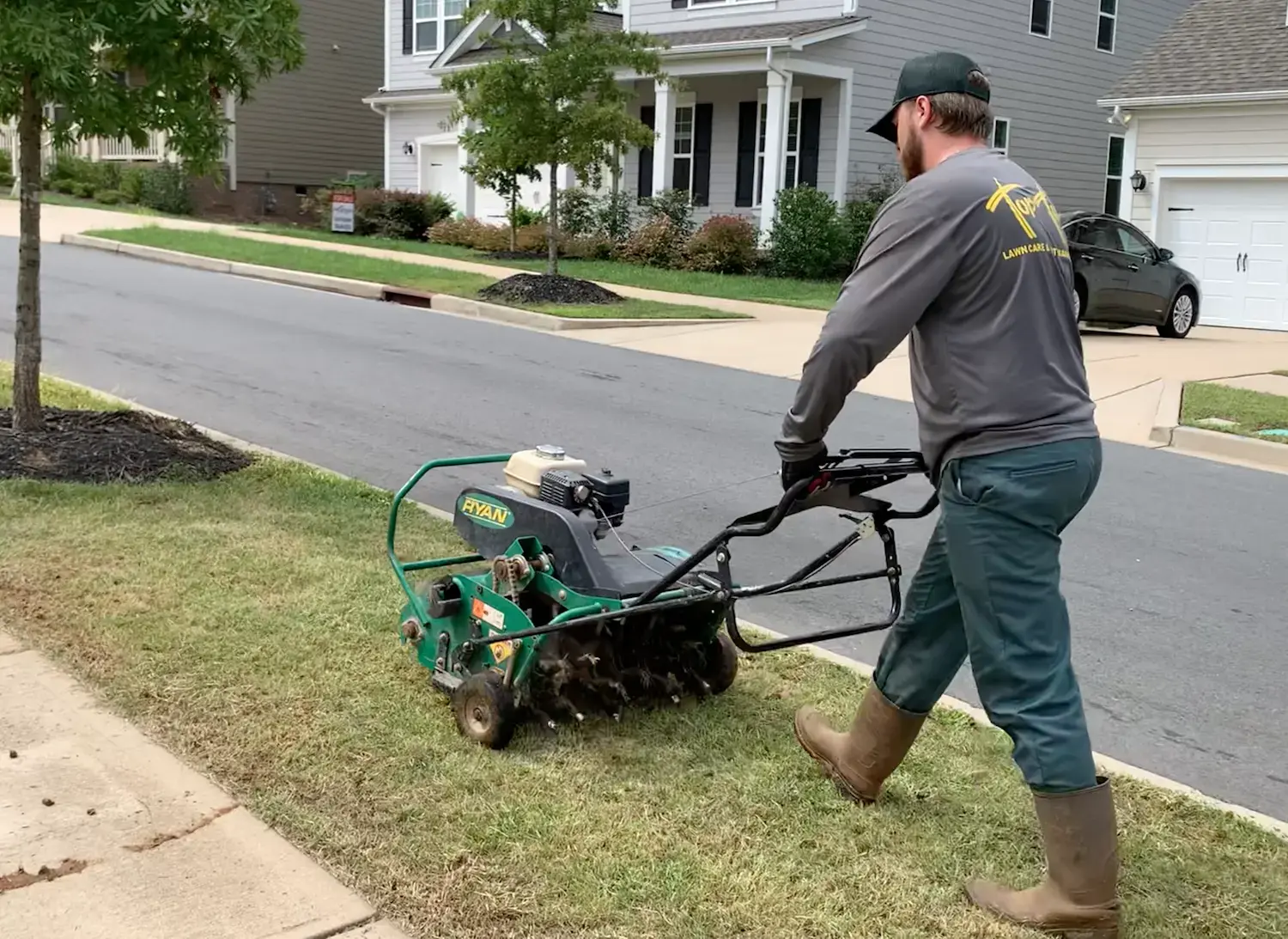
Mushrooms in lawn after fall rain? Learn why they appear, whether they're harmful, and how to get rid of them in Southern yards.
Late August is prime time to plan tall fescue aeration and overseeding. Here's the lawn science behind fall green-up and how to prep now.