


Skip to the main content.
Call Today!    phone-volume-solid

3 min read

Why Your Fescue Lawn is About to Wake Up (And How to Get Ready Now)

Why Your Fescue Lawn is About to Wake Up (And How to Get Ready Now)

If your tall fescue lawn has looked a little tired lately — thin in spots, a bit dull, maybe even crunchy underfoot — take heart. It's not dying. It's just waiting.

Tall fescue is a cool-season grass, and right now, in the tail end of a Southern summer, it's basically running on fumes. But here's the good news: the moment nighttime temperatures start dropping, that same lawn is going to snap back to life. Late August/ Early September is when you start planning for it, so by the time the weather cooperates, you're ready to hit the ground running.


The Science: Why Fescue Struggles in Summer and Thrives in Fall

Grass falls into two basic camps: warm-season and cool-season. Bermuda and Zoysia, common across Atlanta and Dallas-Fort Worth, are warm-season grasses — they love the blistering heat and go dormant (brown) in winter. Tall fescue, the go-to grass for much of Nashville, Charlotte, and even some of the Greenville-Spartanburg area, is the opposite. It's a cool-season grass built for growth in spring and fall, with summer being more of a survival test than a growth spurt.

Here's what's happening at the plant level. Tall fescue does its photosynthesis best in the 60-75°F range. Once soil temperatures climb into the 80s and 90s, the plant shifts into defense mode — shutting down root growth, conserving water, and just trying to stay alive rather than expand. That's why your fescue looks thin and stressed by late summer, even with good watering.

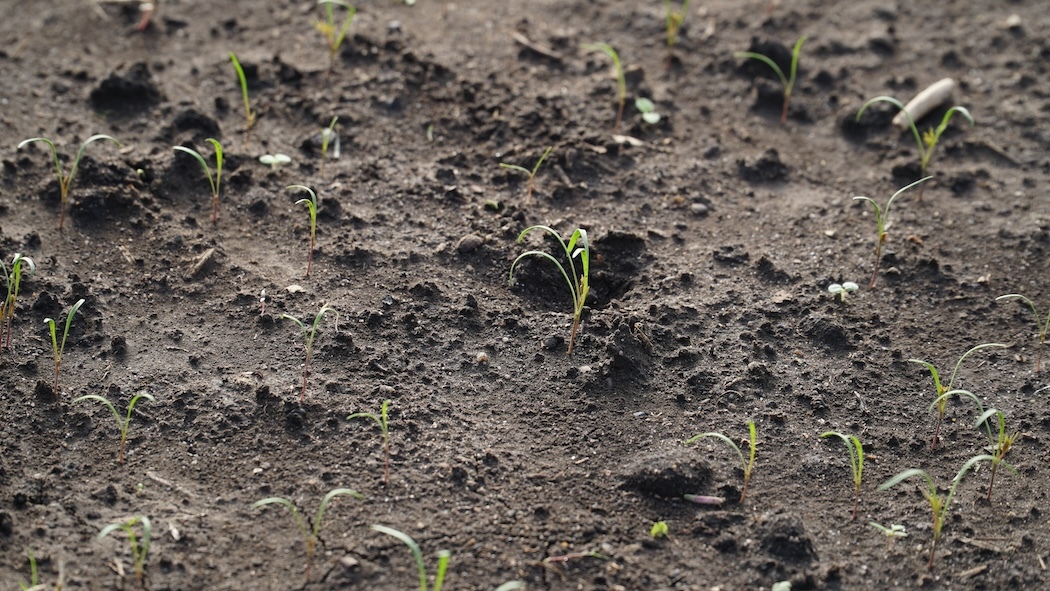
But as soon as nights start cooling into the 60s (which typically starts happening in September across the transition zone), fescue's internal chemistry flips. Root growth resumes. New shoots emerge. The plant essentially gets a second wind — and this fall flush is the single best growth window tall fescue gets all year.


Why Late August Is the Planning Window, Not the Action Window

You might be wondering: if fall is when fescue actually grows, why talk about this in August?

Timing is everything with fescue renovation. The ideal window for core aeration and overseeding in the transition zone typically falls between mid-September and mid-October — early enough that new seedlings have time to establish strong roots before winter, but late enough that soil temperatures have cooled enough for good germination. That window closes fast. Lawn care companies (Top Turf included) book up quickly once the calendar flips to September, because everyone's fescue lawn needs attention at the same time. Scheduling now means you get the timing right instead of squeezing in aeration and seeding three weeks later than ideal, which can mean weaker turf heading into winter.


Signs Your Fescue Lawn Needs a Fall Renovation

Not every fescue lawn needs a full aeration-and-seed treatment every year, but most yards across the Southeast do after a rough summer. Look for these signs:

  • Thin or bare patches where grass used to be solid, especially in high-traffic areas or spots that got scorched during July and August heat waves.
  • Soil that feels hard or compacted when you push a screwdriver into it — if it doesn't sink in easily, your roots are fighting for space, air, and water.
  • A lawn that looks patchy or uneven in color, which often means some areas are thriving while others struggled through the heat and need reinforcement.

If any of that sounds familiar, your lawn isn't unusual — it's just been through a Southern summer. The best thing you can do for it is an aeration and seeding.


What You Can Do Right Now

While the calendar isn't quite ready for seed to go down (Top Turf schedules its first aeration and seedings for the first week of September), there's plenty you can do in the meantime:

  • Keep watering consistently through these final hot weeks. Stressed grass going into fall recovery needs moisture to support new growth, not a crash diet.
  • Avoid heavy foot traffic on thin areas so you're not making bare spots worse right before renovation season.
  • Get your mower blade sharp and your mowing height dialed in — a clean cut reduces additional stress while the lawn is still recovering from summer.
  • Start thinking now about scheduling your aeration and seeding.

Rather than waiting until the first cool snap has everyone else thinking the same thing, getting on the schedule sooner than later is a good thing. You'll have more time to get grass growing before the weather cools down too much and your seedlings didn't have enough time to mature. Plus, if there's any bare areas that didn't come in as full as you wanted, any Top Turf Aeration & Seeding customer can give us a call and we'll throw more seed down for you at no additional cost.

It's also worth highlighting that Top Turf's Fertilization & Weed Control Program tailors specifically towards aeration and seeding season during this time of year on cool-season lawns. For a great Fescue growing season (if you're not already a customer), we can help.


Let's Get Your Fescue Ready for Its Best Season

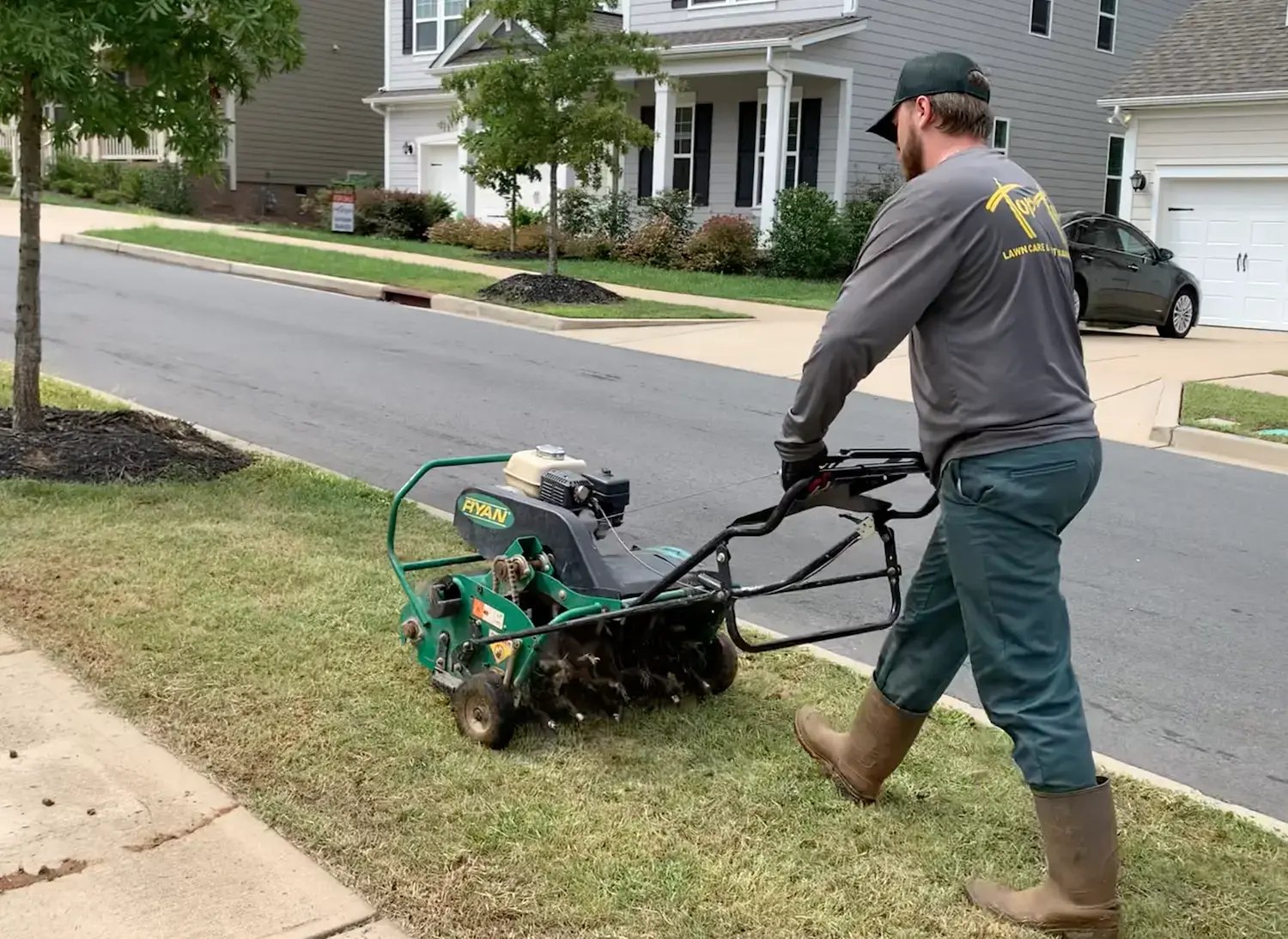
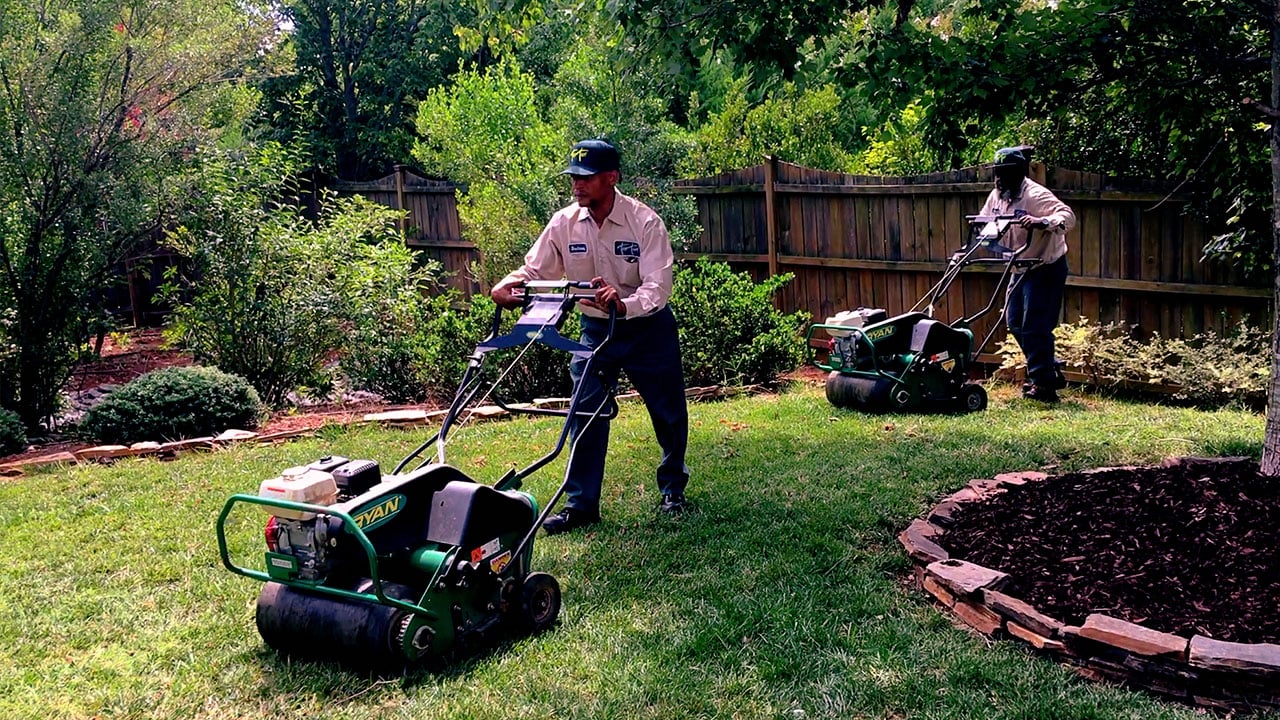
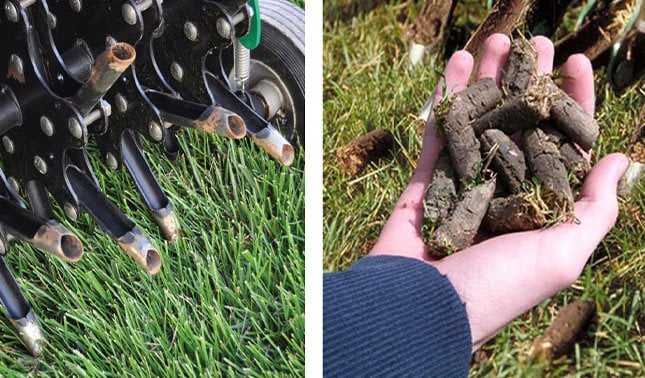
Tall fescue is a resilient grass, but it needs the right care at the right time to really shine. Fall aeration and seeding is where that happens — loosening compacted soil, giving roots room to breathe, and introducing fresh seed exactly when the science says your lawn is primed to grow.

If you're in Nashville, Charlotte, the Greenville-Spartanburg area, or even parts of Atlanta, and your fescue lawn is looking a little worse for wear, now's the time to start the conversation. Top Turf's core aeration and seeding program is built around this exact seasonal science, and getting on the schedule early means your lawn gets its treatment at the ideal moment — not whenever there's an opening left. Reach out, and let's get your lawn ready for the comeback season it deserves.

Revitalize Your Lawn: The Science behind Aeration & Seeding

1 min read

Revitalize Your Lawn: The Science behind Aeration & Seeding

NOTE: Aeration and seeding is only effective for cool-season grass types, like Tall Fescue, in early autumn. Please see our Aeration & Seeding page...

Core Aeration vs. Aeration and Seeding: Which is Best for Your Lawn?

1 min read

Core Aeration vs. Aeration and Seeding: Which is Best for Your Lawn?

If you want a healthier, stronger lawn, aeration is a must! But when it comes to choosing core aeration or aeration and seeding, the right choice...

Core Aerating Your Bermuda Lawn: The Benefits and Necessities

1 min read

Core Aerating Your Bermuda Lawn: The Benefits and Necessities

What is Core Aeration? Core aeration is the process of removing small plugs of soil from the ground in order to reduce soil compactness and improve...