



Skip to the main content.
Call Today!    phone-volume-solid

4 min read

Got Grubs? Your Spring Guide to the Hidden Pests Wrecking Southern Lawns

Got Grubs? Your Spring Guide to the Hidden Pests Wrecking Southern Lawns

If you've ever pulled back a patch of dead grass and watched it lift up like loose carpet, you might've met one of the South's sneakiest lawn villains: the grub. These chubby little troublemakers do their dirty work underground, which means by the time you spot the damage, the party's already been going for weeks.

Whether your yard sits on a rolling Nashville hill, a Charlotte cul-de-sac, a leafy Atlanta lot, or a sun-baked patch in DFW, grubs are an equal-opportunity invader across the Southeast. Let's tackle the questions homeowners ask most this time of year.

So… what's a grub, exactly?

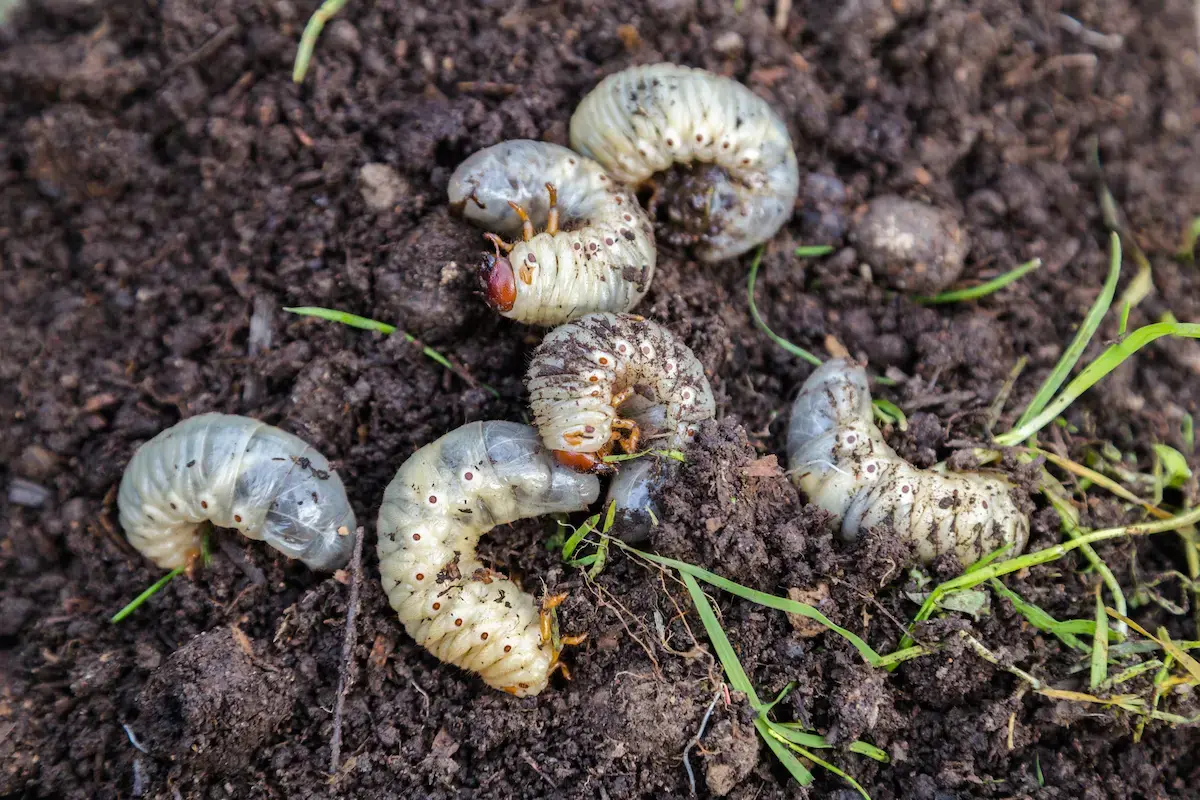
Picture a fat, white, C-shaped little worm about the size of a pencil eraser. That's a grub — the larval stage of beetles like Japanese beetles, June bugs (you know, the ones thumping into your porch lights in early summer), masked chafers, and the not-so-charming green June beetle. Adult beetles spend the warm months laying eggs in your lawn, and those eggs hatch into grubs that munch happily on grass roots from below.

close-up-of-grub-larva-on-soil-surface ee

Here in the Southeast, our grub populations get a serious boost from warm, humid summers and the lush, irrigated lawns we love. Bermuda, Zoysia, and Tall Fescue all make a perfectly fine all-you-can-eat buffet, depending on the species.

How do I know if grubs are messing with my lawn?

Seeing a grub on your sidewalk or a single one while planting flowers is no reason to panic. In fact, a healthy lawn is a living ecosystem where a few grubs are perfectly normal—and they can even help with soil aeration and nutrient cycling, which actually even benefits your lawn. Research shows that a healthy lawn can easily handle up to 10 grubs per square foot without any real damage. It’s only when those numbers climb higher that they start to outpace your grass's ability to grow new roots.

Grub damage tends to look like things going wrong from the inside out. A few classic signs:

  • Brown, drought-looking patches that don't perk up no matter how much you water. That's because grubs have chewed off the roots — there's nothing left for the grass to drink with.
  • Spongy or "rolled-up carpet" turf. If your grass tugs up easily, like sod that never took, grubs may have severed the roots clean off. If the roots hold and the grass does not pull up easily, the roots are still intact, which means your grass is healthy.
  • Surprise visitors digging in your yard. Skunks, raccoons, armadillos out in DFW, and especially crows or starlings will tear up turf to feast on grubs. If your lawn looks like someone hosted a midnight rototiller party, that's a tell.
  • More beetles flying around than usual in early summer. Each beetle you see now is a future round of eggs in the soil.

Think of grubs like guests at a dinner party. One or two are great company, and actually even helpful. It’s only when the whole neighborhood crashes the party that your lawn starts to feel the overhead.

The rule of thumb: pull up a 1-foot-square section of suspect turf about 2 to 3 inches deep. Five or fewer grubs? You're probably fine and have nothing to worry about, and your grass ecosystem is healthy. But ten or more? Especially when the grass pulled up relatively easily? You might have a problem brewing.

Why is late spring the make-or-break window for grub control?

Here's the secret most homeowners don't realize: grubs are hardest to kill once they're big and damaging. By the time you see those brown patches in late summer, you're playing catch-up against fully grown, leathery-shelled grubs that shrug off most over-the-counter products.

Late spring through early summer is when the next generation of beetle eggs is being laid and hatching. Younger grubs are tender, close to the surface, and far easier to control with a properly timed preventive application. Wait too long and you're dealing with bigger pests, more damage, and a pricier rescue mission.

In other words: May is when grub control quietly happens. August is when grub damage loudly arrives. But you really only need treatment if you've got an infestation, so just be on the lookout. If you'd like advice on whether or not you have a potentially damaging issue, please feel free to call your local Top Turf.

What actually works for grub control?

Grub control has come a long way, and the right approach depends on a few things — your grass type, your timing, your watering setup, and how heavy local beetle pressure has been the past couple of summers. Japanese beetles, in particular, can be brutal in parts of Greenville-Spartanburg, Charlotte, and the Atlanta metro after a wet spring.

A few principles worth keeping in mind:

  • Water it in. Most grub treatments need to soak past the thatch into the root zone. A good half-inch of irrigation right after application is the difference between a treatment that works and one that just sits on top.
  • Don't drown your lawn. Overwatered lawns attract egg-laying beetles looking for soft soil. Deep, infrequent watering is your friend — it builds stronger roots and makes your yard a less inviting nursery.
  • Healthy roots resist damage. A properly fertilized lawn with deep roots can shrug off a few grubs without falling apart. The lawns that lift up like carpet are usually the ones that were already stressed.

When to call in a pro

If you've got patchy damage left over from last year, you suspect heavy beetle pressure in your neighborhood, or you simply don't want to gamble on timing and water-in rates, this is exactly the kind of thing our pest and insect control programs at Top Turf are built for. We track grub pressure across all of our service areas — Nashville, Charlotte, Greenville-Spartanburg, Atlanta, and Dallas-Fort Worth — and time preventive treatments to each region's beetle activity, so you don't have to play entomologist on a Saturday morning.

Hidden pests, visible results. If you'd like a Top Turf pro to take a look at your lawn before grubs make their move this summer, give us a shout — we'll handle the underground stuff so you can keep enjoying the green stuff above.

Don't Have In-Ground Irrigation? DIY Sprinkler System

1 min read

Don't Have In-Ground Irrigation? DIY Sprinkler System

If you're tired of watering your lawn and garden by hand, it may be time to consider installing a sprinkler system. A professionally installed...

Summer Fungus Alert: How to Spot Brown Patch, Dollar Spot & More

1 min read

Summer Fungus Alert: How to Spot Brown Patch, Dollar Spot & More

Summer might bring sunshine, BBQs, and backyard fun—but for your lawn, it’s also prime time for fungal disease. Warm temperatures, high humidity, and...