



Skip to the main content.
Call Today!    phone-volume-solid

3 min read

Armyworms Are Marching: How to Spot (and Stop) This Summer's Sneakiest Lawn Invader

Armyworms Are Marching: How to Spot (and Stop) This Summer's Sneakiest Lawn Invader

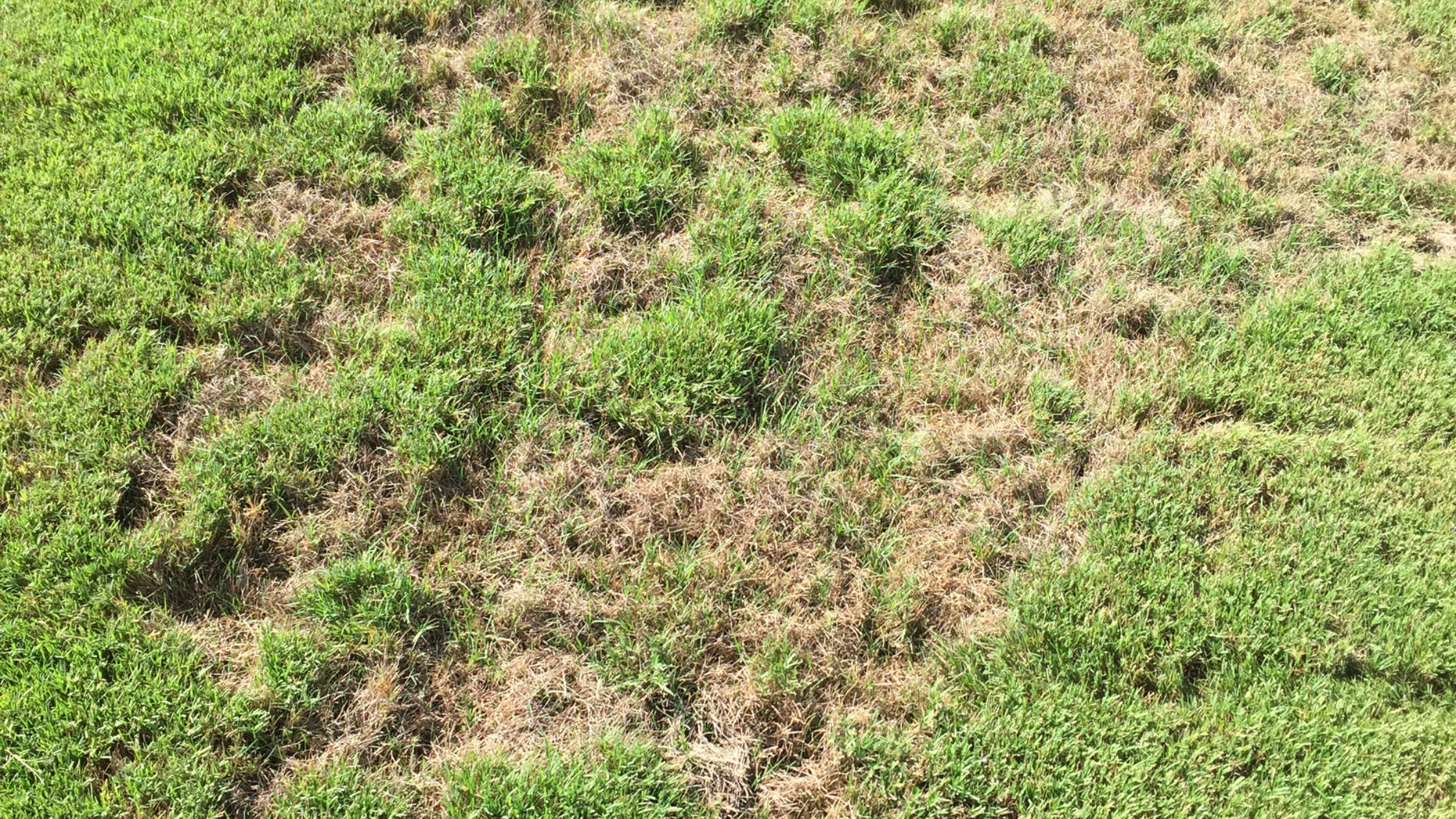
Picture this: your lawn looks perfectly fine on Monday. By Thursday, there's a ragged brown patch spreading across your yard like someone took a lawnmower to it in the middle of the night. No, it's not a mystery illness or a watering mistake. There's a good chance you've got armyworms, and this is exactly the time of year they show up across Nashville, Charlotte, Greenville-Spartanburg, Atlanta, and the Dallas-Fort Worth area.

They move fast, they eat a lot, and they don't announce themselves until the damage is already done. Here's what you need to know.

What Exactly Are Armyworms?

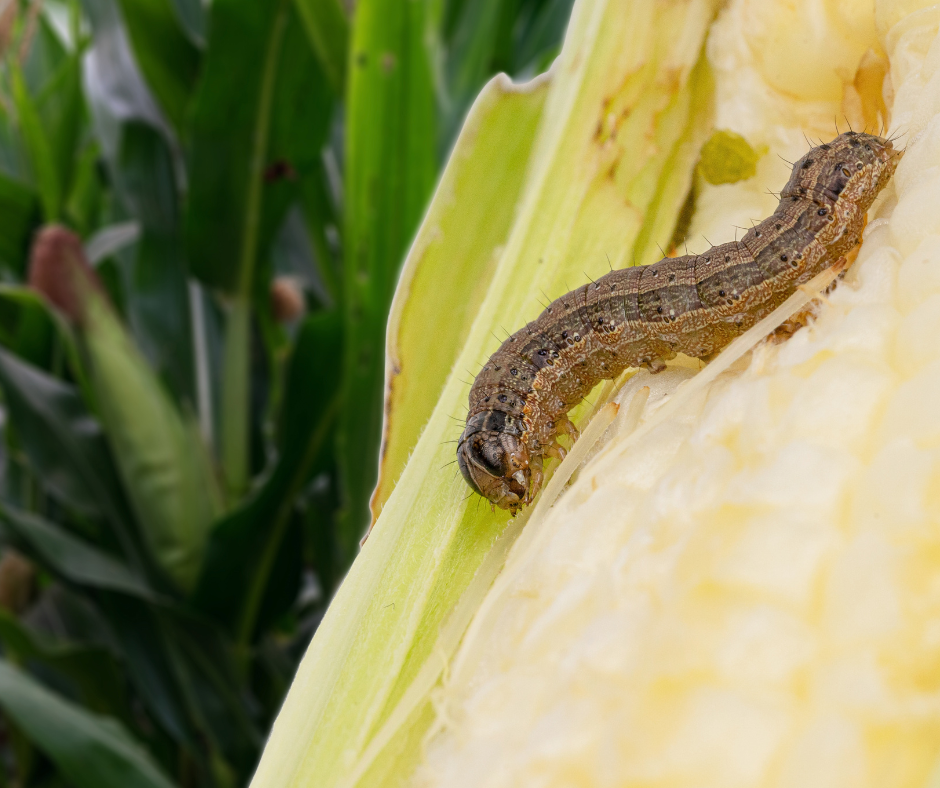
Armyworms aren't worms at all, they're the caterpillar stage of a moth, and they get their name from the way they movearmyworm on leaf -SS across a lawn in large, hungry groups, like a tiny (very destructive) army on the march.
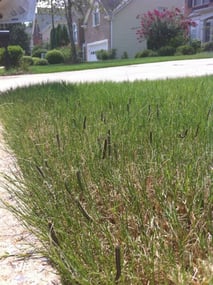
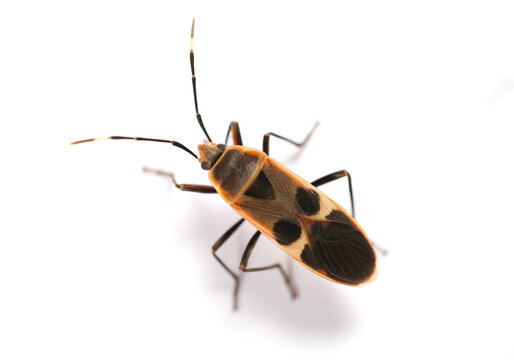
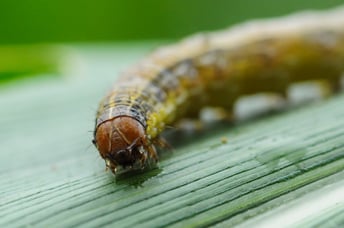
The caterpillars themselves are usually smooth, about an inch long when fully grown, and range from green to brown with distinct stripes running down their sides. If you've ever seen one up close, you'll notice a light-colored, upside-down "Y" marking on its head — that's the giveaway that separates armyworms from other lawn caterpillars.

See More: What are Armyworms?

They feed almost exclusively on grass blades, and they're not picky. Bermuda, Zoysia, and Tall Fescue lawns are all fair game.

Why July Is Prime Armyworm Season

Fall armyworms (the species most common across the Southeast) can't survive cold winters, so each year they migrate north from Florida and the Gulf Coast as the weather warms. By midsummer, moths have often laid several generations of eggs, and populations can explode fast,  especially after a stretch of warm, humid weather with regular rain, which is basically the forecast for most of the Southeast right about now.

Because the moths fly at night and lay eggs in batches, an entire neighborhood can go from "no problem" to "everyone's lawn has brown patches" within a week or two. If you've heard a neighbor mention armyworms lately, don't assume your yard is safe just because it looks fine today.

The Telltale Signs You've Got a Problem

Armyworm damage tends to look different from drought stress or fungus, once you know what to look for:


Army Worms on Bermuda
- Patches that appear and spread quickly — often within 24 to 48 hours, not gradually over weeks.
- A "moving front" of damage — one edge of your lawn looks fine while the other looks skeletonized or brown, with the line between them shifting day to day.
- Grass blades that look ragged or see-through, as if they've been chewed rather than dried out.
- Increased bird activity — robins and other birds feasting on your lawn can actually be a helpful clue that there's a buffet of caterpillars underneath.


If something feels off, do the soap flush test: mix a couple tablespoons of dish soap into a gallon of water and pour it over a suspicious patch of lawn. If armyworms are present, they'll wriggle up to the surface within a few minutes.

What To Do If You Spot Them

Time matters here. Armyworms can eat through a substantial patch of lawn in just a few days once a population gets going, so the sooner you catch it, the less recovery work you'll have later.

Early morning or early evening is the best time to inspect your lawn closely, since armyworms tend to feed at night and hide low in the thatch during the heat of the day. Part the grass near the edge of any suspicious patch and look closely,   you're checking for the caterpillars themselves, not just the damage.

If you confirm an infestation, treatment works best when it's targeted and applied before the population spreads to the rest of the yard.

Protecting Your Lawn Going Forward

A well-maintained lawn isn't immune to armyworms, but it does tend to recover faster once treatment happens. Keeping your Bermuda or Zoysia mowed at the right height and watered consistently through the heat of summer helps your grass bounce back from stress of any kind, pest damage included.

Since armyworm outbreaks can move through a neighborhood in waves, routine pest monitoring is genuinely one of the best defenses — catching an early sign before it becomes a full-blown patch saves you a lot of hassle (and a lot of reseeding).

This is exactly the kind of thing Top Turf's Armyworm Control service is built for. Our team knows what to look for during routine visits, and if armyworms show up in your area, we can treat before they turn your lawn into their next meal. If you've noticed a strange patch spreading fast, don't wait it out — give us a call and let's take a look before it spreads any further.


Chinch Bugs: The Tiny Pest Behind Those Mysterious Brown Patches in Your Lawn

1 min read

Chinch Bugs: The Tiny Pest Behind Those Mysterious Brown Patches in Your Lawn

You've been watering. You've been mowing. But somehow, a spreading patch of brown, crispy grass keeps showing up in your yard, and it's getting...

Is Your Lawn Stressed Out? How to Spot and Treat Summer Heat Stress

1 min read

Is Your Lawn Stressed Out? How to Spot and Treat Summer Heat Stress

Summer in the Southeast is no joke. When temperatures are pushing 95°F in Atlanta, Nashville, and Dallas-Fort Worth, and the humidity is doing its...

How Low Should You Go? Your Southern Lawn's Ideal Mowing Height for Summer

1 min read

How Low Should You Go? Your Southern Lawn's Ideal Mowing Height for Summer

If you've ever stepped off the mower, looked at your yard, and thought, "Hmm, that looks a little...scalped," you're not alone. Mowing height is one...