


Skip to the main content.
Call Today!    phone-volume-solid

4 min read

Wild Onion vs. Wild Garlic: Why Those Smelly Green Tufts Are Popping Up in Your Lawn Right Now

Wild Onion vs. Wild Garlic: Why Those Smelly Green Tufts Are Popping Up in Your Lawn Right Now

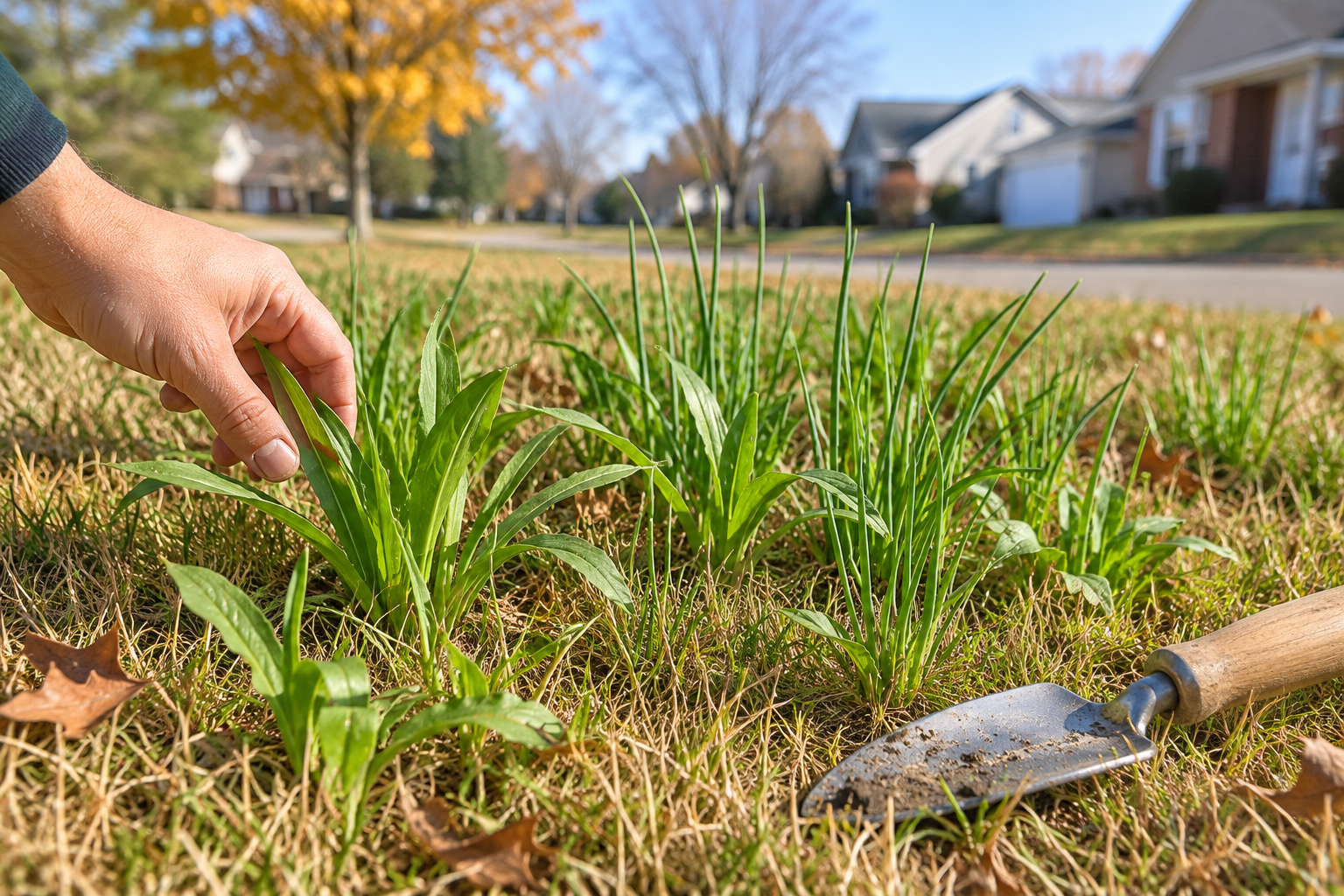
You raked up the last of the leaves, your Bermuda has gone tan and sleepy for the winter, and you're ready to forget about the lawn until spring. Then, almost overnight, clumps of skinny, bright green shoots start poking up all over the yard, standing taller than everything around them.

Run the mower over them and suddenly the whole street smells like someone's sautéing dinner. Say hello to wild onion and wild garlic, two of the most stubborn winter weeds in the Southeast.

Why They Show Up This Time of Year

Both wild onion and wild garlic are perennials that grow from underground bulbs. They spend the hot summer months hiding out dormant below the soil, then wake up as temperatures cool in late fall. By Thanksgiving, they're in full swing.

That timing is exactly why they're so noticeable right now. In Nashville, Atlanta, Charlotte, Greenville-Spartanburg and Dallas-Fort Worth, Bermuda and Zoysia lawns have gone dormant, so a dark green tuft stands out against all that tan like a flag at a football game. In Tall Fescue lawns they're a little sneakier, but give them a week after mowing and they'll be poking up an inch or two above your grass.

Here's the frustrating part: these weeds don't just come back, they multiply. Each plant produces little offset bulbs underground, and some of those are "hardshell" bulbs that can sit dormant in the soil for several years before sprouting. Come spring, wild garlic also sends up stalks topped with tiny aerial bulblets that drop and start new plants. One clump this year can become a whole colony a few seasons from now.

See more: Your Lawn's Winter Game Plan: What Nashville, Charlotte, Greenville-Spartanburg, Atlanta & DFW Yards Need Right Now

Wild Onion or Wild Garlic? How to Tell the Difference


Most folks lump them together as "onion grass," and that's fair, since they look and smell a lot alike. But if you want to play lawn detective, here's the easy test: pick a leaf and look at it end-on.

Wild garlic has round, hollow leaves, like tiny drinking straws. The leaves branch off partway up the stem.

Wild onion has flat, solid leaves that all come straight up from the base of the plant. If you dig one up, the bulb has a fibrous, netted coating.

Both give off that unmistakable oniony smell when crushed. And that smell matters, because it helps rule out lookalikes. If you've got grass-like clumps with a white stripe down the middle of each leaf and no onion smell at all, you may be looking at star-of-Bethlehem, a different (and toxic) ornamental weed that needs its own game plan.

Check out our info center to learn more about wild onion and garlic!

Why Pulling Them Doesn't Work (and What Does)


Your first instinct might be to grab a handful and yank. Unfortunately, the leaves almost always snap off right at the soil line, leaving the bulb and all its baby bulblets safely underground to try again. You've basically given the plant a haircut.

If you only have a handful of clumps, digging them out with a trowel can work. Go deep, get the whole cluster of bulbs, and don't shake loose soil back into the hole.

For bigger infestations, a selective herbicide is the way to go, but these weeds come with built-in armor. Their slender, waxy leaves are great at shedding spray before it soaks in. A few tricks help a lot:

- Mow first, then treat. Mowing a day or two before an application breaks through that waxy coating and exposes fresh leaf tissue.
- Pick a mild day. Weeds absorb treatments best when they're actively growing, so aim for a winter afternoon in the 50s or warmer.
- Match the product to your grass. Some herbicides that are safe on Bermuda and Zoysia can seriously injure Tall Fescue, and vice versa. Always read the label and confirm it lists both your grass type and wild onion or wild garlic.
- Plan on a follow-up. One round in late fall or winter and another in late winter or early spring, before the plants can recharge their bulbs, is the usual approach.

And set your expectations: thanks to those dormant hardshell bulbs, most lawns need two to three seasons of consistent treatment to fully clear out a well-established patch. That's not failure. That's just how these weeds play the game.

Prevention: A Thick Lawn Is Your Best Defense


Here's something that surprises a lot of homeowners: your pre-emergent weed control won't stop wild onion or wild garlic. Pre-emergents work on germinating seeds, and these weeds come back from bulbs, so they walk right past that barrier.

Your best long-term defense is dense, healthy turf that leaves no room for invaders. For Bermuda and Zoysia, that means proper mowing heights and a good fertilization program during the growing season. For Tall Fescue, fall is prime time for core aeration, overseeding and feeding to fill in thin spots. A soil test every few years helps make sure your lawn isn't struggling with a pH problem that gives weeds an opening.

One more tip: keep mowing the clumps through late winter, even if the rest of the lawn doesn't need it. Cutting them back before spring keeps wild garlic from producing those aerial bulblets that spread it around the yard.

Quick Question: Can You Eat Them?

Technically, yes, both are edible relatives of the onions in your kitchen. But we'd skip the backyard foraging. Plants growing in a treated lawn aren't something you want in your soup, and with toxic lookalikes like star-of-Bethlehem around, it's not worth the gamble. Leave the onions to the grocery store.

Let Top Turf Handle the Onion Patrol


Wild onion and wild garlic are a test of patience, and they reward consistency more than anything. The good news? You don't have to keep track of mild-day spray windows and follow-up schedules on your own.

Top Turf's lawn fertilization and weed control program includes targeted winter treatments matched to your grass type, whether you've got Bermuda, Zoysia or Tall Fescue. Our local technicians in Nashville, Charlotte, Greenville-Spartanburg, Atlanta and Dallas-Fort Worth know exactly when these bulbs are most vulnerable. If your lawn is starting to smell more like a kitchen than a yard, give us a call. We'd be happy to help you get those tufts under control.

Your Lawn's Winter Game Plan: What Nashville, Charlotte, Greenville-Spartanburg, Atlanta & DFW Yards Need Right Now

Your Lawn's Winter Game Plan: What Nashville, Charlotte, Greenville-Spartanburg, Atlanta & DFW Yards Need Right Now

Winter lawn care looks different in Nashville, Charlotte, Atlanta, Greenville-Spartanburg and DFW. Here's what your yard needs this season.
Crabgrass Is Sprouting Now: How to Identify and Stop It Before It Takes Over

Crabgrass Is Sprouting Now: How to Identify and Stop It Before It Takes Over

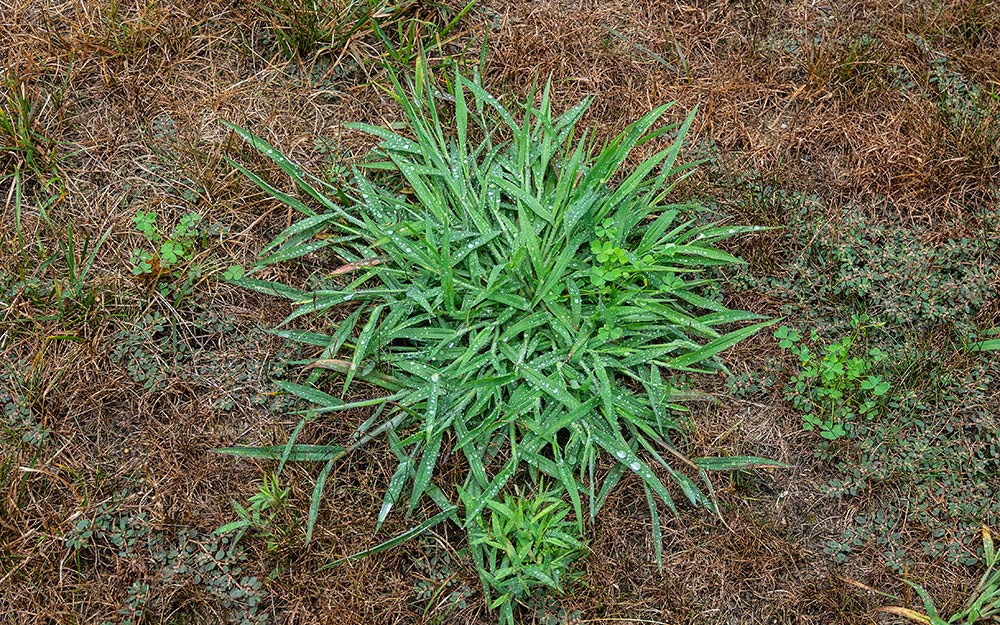
Crabgrass is germinating right now across the Southeast. Learn how to identify it in your Bermuda or Zoysia lawn and what to do about it fast.

Dog Days Lawn Care: What Nashville, Charlotte, Atlanta, Greenville-Spartanburg & DFW Lawns Need Right Now

Dog Days Lawn Care: What Nashville, Charlotte, Atlanta, Greenville-Spartanburg & DFW Lawns Need Right Now

Late-July heat hits every Southern lawn differently. Here's what your grass needs right now in Nashville, Charlotte, Atlanta, Greenville-Spartanburg,...