



1 min read
Chinch Bugs: The Tiny Pest Behind Those Mysterious Brown Patches in Your Lawn
You've been watering. You've been mowing. But somehow, a spreading patch of brown, crispy grass keeps showing up in your yard, and it's getting...
3 min read
Top Turf
:
Updated on August 18, 2026
Ever walk across your lawn and feel like you're stepping on a wet sponge? Or noticed strange raised trails snaking through the grass, like a tiny bulldozer went rogue overnight? You might have mole crickets. And right now, from the red clay of Atlanta to the sandy soils around Greenville-Spartanburg and DFW, these underground troublemakers are hitting their most destructive stretch of the year.
Let's talk about what mole crickets are, why August is their moment to shine (unfortunately for your lawn), and what you can actually do about it.
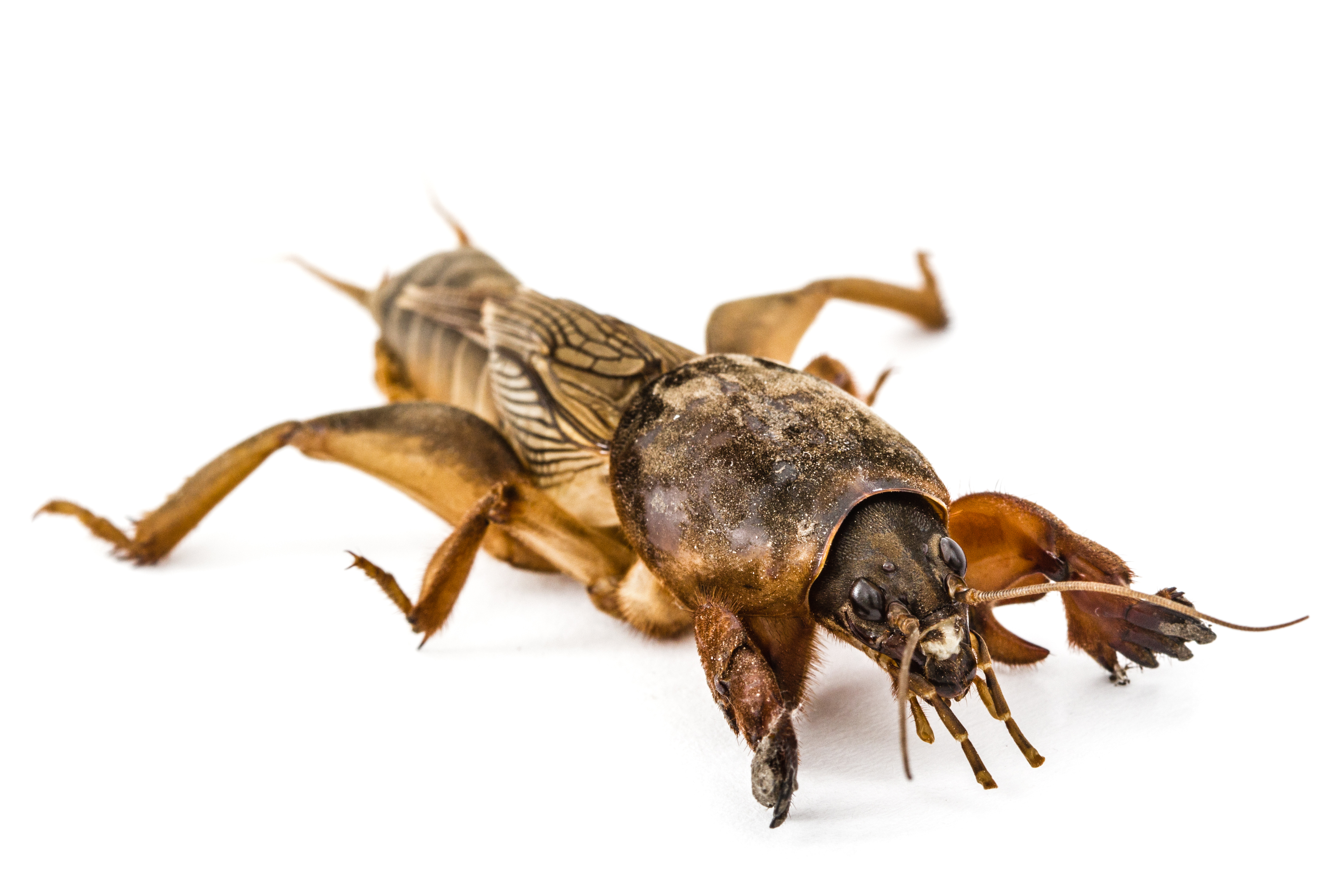
Picture a cricket that decided to become a mole. That's basically what you're dealing with. Mole crickets are one to two inches long, brownish, and built for digging, their front legs are shaped almost like little shovels or claws, perfect for tunneling through soil in search of roots and organic matter to munch on.
Three species cause most of the trouble across the Southeast: the southern mole cricket, the tawny mole cricket, and the short-winged mole cricket. Fun (or maybe not-so-fun) fact: these pests actually arrived in the U.S. through the port of Brunswick, Georgia, back in the early 1900s, and they've been spreading through sandy coastal soils from Texas to North Carolina ever since. If you're in Atlanta, Greenville-Spartanburg, or the sandier pockets of DFW, you're right in their comfort zone.
Mole crickets do their damage underground, so you won't usually see the bugs themselves without a little digging (literally). Instead, watch for these clues:
- Your grass feels spongy or springy when you walk on it, almost like walking on a mattress. That's because the crickets have tunneled through the root zone and disconnected the grass from the soil beneath it.
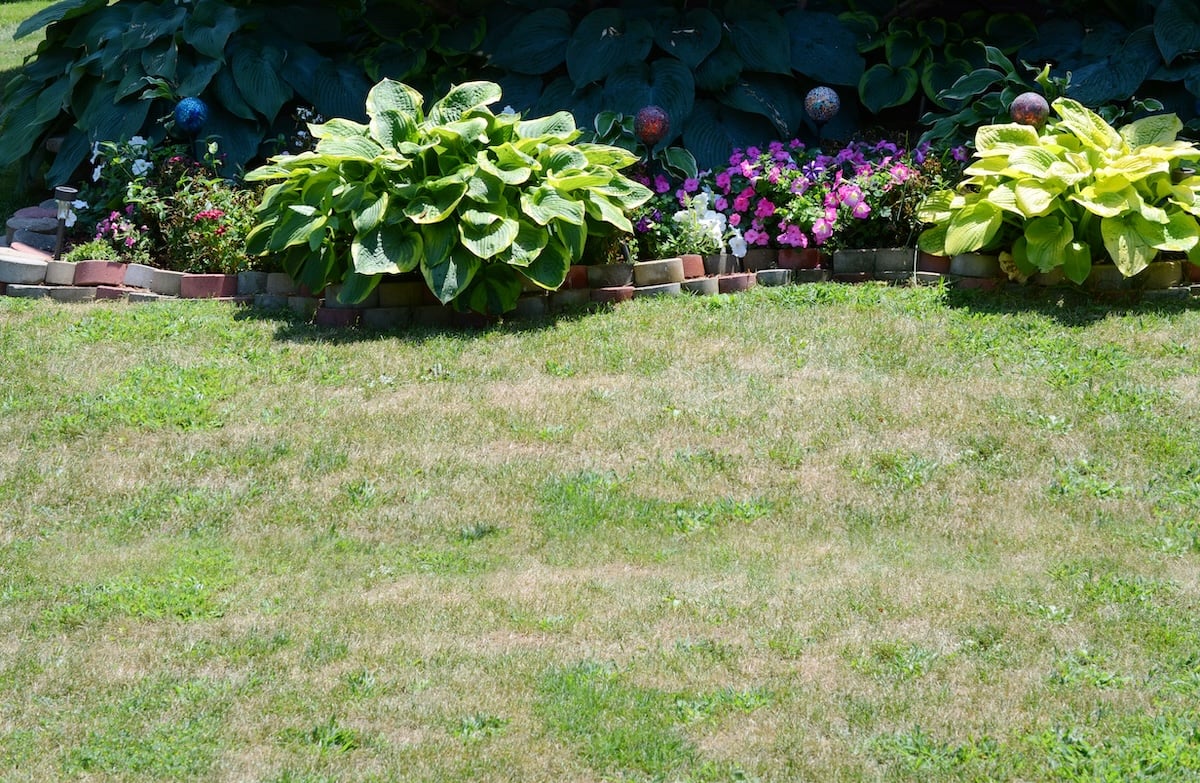
- You'll also notice raised, ridge-like trails across the yard that look like miniature earthquake cracks. As summer turns to fall, irregular patches of grass may brown, wilt, and die off in areas where tunneling has been heaviest.
- One more tell: if you've noticed birds, armadillos, or raccoons tearing up your yard at night, they might be hunting mole crickets as a midnight snack. It sounds odd, but increased wildlife digging is a real signal worth paying attention to.
Not sure if that's what's going on? Try the soap flush test. Mix one tablespoon of liquid dish soap into a gallon of water and pour it over a suspect area. If mole crickets are down there, the soap irritates them enough that they'll surface within a few minutes.
Similar article: Armyworms Are Marching: How to Spot (and Stop) This Summer's Sneakiest Lawn Invader
Mole crickets in the Carolinas and greater Southeast typically go through one generation per year, with adults laying eggs in spring and nymphs hatching and feeding steadily from June through September. That means the nymphs have been growing all summer, and by August, they're bigger, hungrier, and doing noticeably more damage than they were back in June.
Bermuda grass takes the hardest hit. That's not a coincidence, mole cricket nymphs are most active during the exact same stretch when Bermuda is trying to hit its peak summer growth. Add in the stress of August heat and spotty rainfall, and a lawn already dealing with root damage from mole crickets has a much harder time bouncing back.
First, confirm what you're dealing with. The soap flush test is quick and gives you a clear answer before you start treating for the wrong pest.
Here's the tricky part about August: treatment is still effective, but the nymphs are larger and a bit tougher to knock out than they would have been in June or early July. That's exactly why timing and product choice matter so much with mole crickets: a one-size-fits-all approach often falls short.
In the meantime, keep the rest of your lawn as resilient as possible. Mow at the proper height for your grass type, water deeply but not excessively, and avoid piling on stress the grass doesn't need while it's already recovering from root damage underground.
Mole crickets are one of those pests that reward a targeted, well-timed approach, and that's exactly what our pest and insect control team specializes in. We know the mole cricket pressure points across Nashville, Charlotte, Atlanta, Greenville-Spartanburg, and DFW, and we tailor treatment to where your lawn is in the damage cycle, not just a generic calendar date.
If your yard has that telltale spongy feel or you're seeing those little raised trails popping up, don't wait for it to spread. Reach out to your local Top Turf office, they'll confirm whether mole cricket treatment is available in your area, take a look, and get a plan in place to protect the lawn you've worked hard on all summer.
1 min read
You've been watering. You've been mowing. But somehow, a spreading patch of brown, crispy grass keeps showing up in your yard, and it's getting...
1 min read
Picture this: your lawn looks perfectly fine on Monday. By Thursday, there's a ragged brown patch spreading across your yard like someone took a...
1 min read
It's late July, and if your lawn feels like it's holding on for dear life, you're not imagining it. The dog days of summer hit hard across the...