




Unraveling the Secrets: Surprising Facts about Henbit Weed
 Savanna Fiegl : 10/14/24, 3:36 PM
Learn how to identify, prevent, and manage henbit weed to maintain a healthy, vibrant lawn year-round.
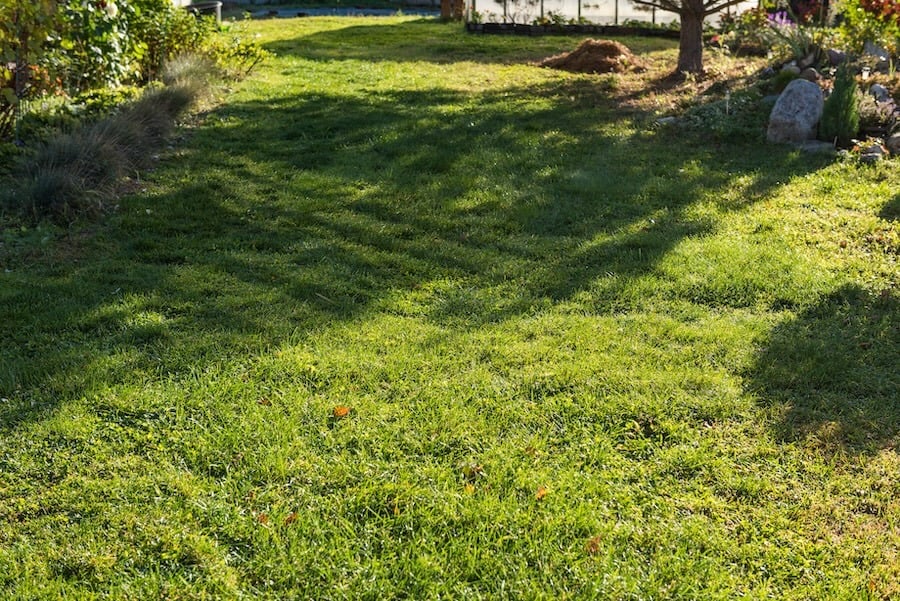
Managing weeds while feeding your grass is one of the most common lawn care questions homeowners ask. When done correctly, you can apply lawn fertilizer and weed control together, repair thin or damaged areas, and build a thicker, greener lawn that naturally crowds out weeds over time. For many yards, a simple, well-timed “weed and feed” style approach is enough to noticeably improve color, density, and overall lawn health.
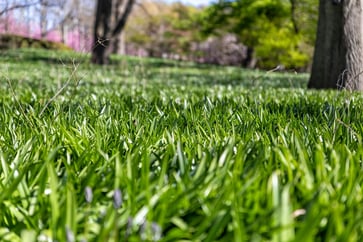
In many situations, lawn fertilizer and weed control can be applied at the same time using combination products or compatible treatments. These “weed and feed” applications deliver nutrients to your turf while also targeting broadleaf and other common weeds, which makes it easier to stay on a consistent lawn care schedule. The important part is choosing products labeled for use on your grass type and following directions for timing, watering, and safety.
Homeowners who prefer a more hands-off approach often follow a professional-style program, where fertilization and weed control are planned together across the season instead of treated as separate tasks. This type of schedule helps keep the lawn on track without constant guesswork.
It can be surprising when weeds seem to get worse right after a fertilization treatment. Fertilizer feeds everything that is actively growing, including existing weeds, so they may become more noticeable before weed control products have had time to work. This short-term increase does not usually mean the treatment failed; it is simply part of the transition.
Selective weed controls target only specific plant types, leaving your grass unbothered. As selective weed control products take effect, targeted weeds begin to decline while the fertilized grass becomes stronger and more competitive. Over the following weeks, a healthier lawn is better able to fill in open spaces, making it progressively harder for new weeds to establish.
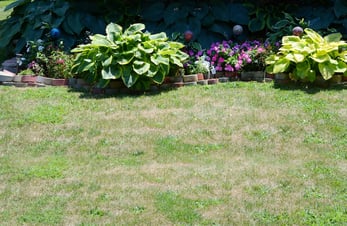
Bare patches, brown spots, and thin turf are some of the main reasons weeds keep returning. Weeds are opportunistic and will quickly sprout in any open area of soil. A long-term weed control plan should therefore include steps to repair and thicken the lawn, not just treat the weeds that are visible today.
Warm-season lawns, such as Bermuda or Zoysia, often spread sideways and can gradually fill in bare areas once weeds are removed and the grass is kept healthy. During the spring, Top Turf offers a core aeration program to help promote new growth to these bare areas. Cool-season lawns, like fescue, typically respond best to fall aeration and overseeding, which helps repair thin areas and build a dense, resilient stand of grass. As the lawn thickens, weed pressure usually decreases.
The most effective “weed and feed” strategy is always tailored to your specific lawn and location. A personalized lawn care plan should consider grass type, local weather patterns, soil conditions, and the kinds of weeds you struggle with most. That is exactly how our lawn care programs are built: we start with your lawn’s current condition, then design a season-by-season schedule to get it where you want it to be.
A customized plan may include:
Regular fertilization visits matched to your grass type.
Pre-emergent and post-emergent weed control applications.
Recommendations for mowing height and watering to support our treatments.
Many homeowners choose to partner with our lawn care service so they do not have to guess about product selection or timing. With the right combination of weed control products, lawn fertilizer, and turf repair—applied by a dedicated local Top Turf technician—your yard can gradually transform from thin and weedy into thick, green, and easier to maintain, season after season.
To get started, you can request a free quote, and we will build a plan that fits your yard, your goals, and your budget.
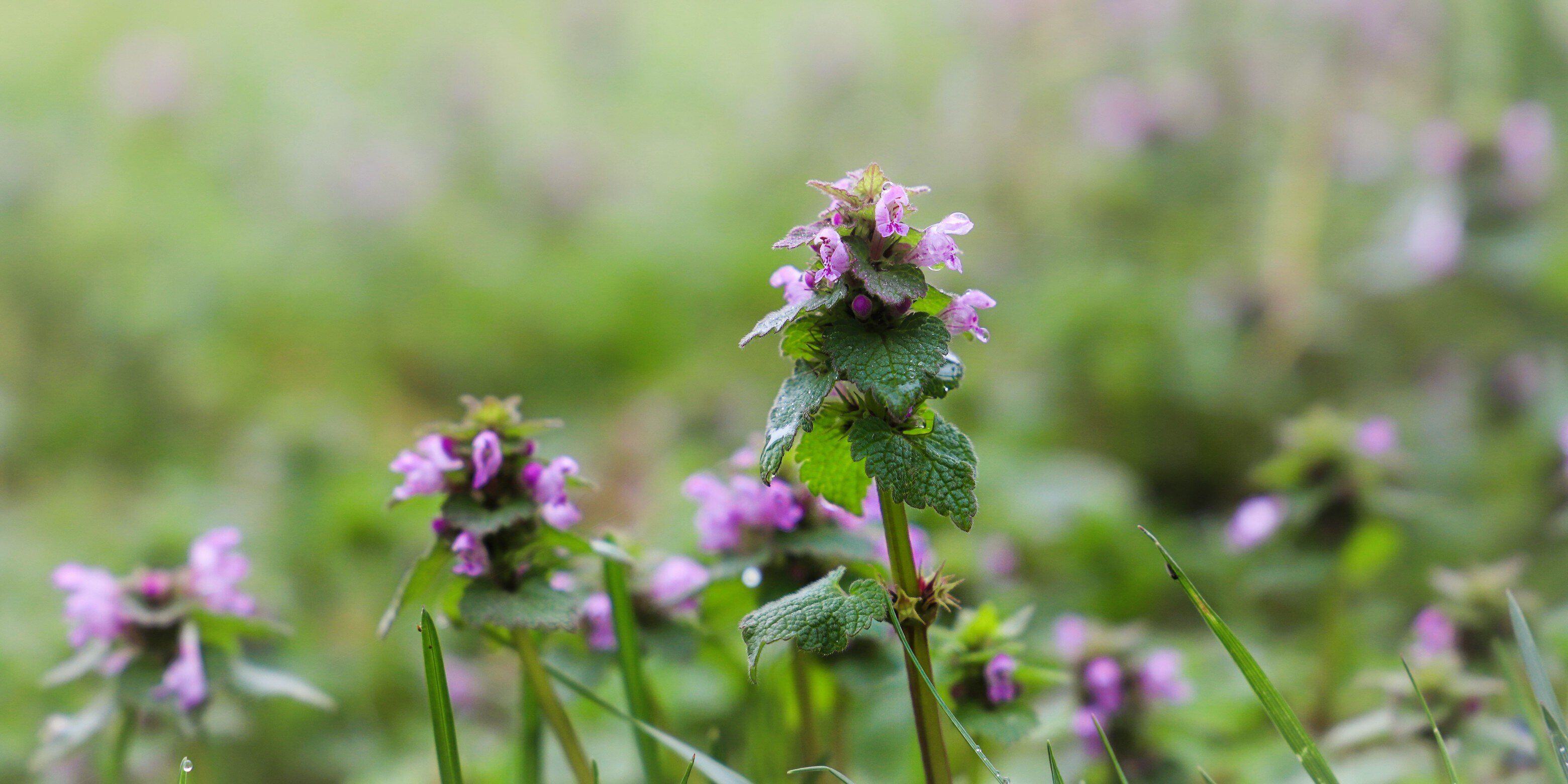 Savanna Fiegl : 10/14/24, 3:36 PM
Learn how to identify, prevent, and manage henbit weed to maintain a healthy, vibrant lawn year-round.
 Savanna Fiegl : 9/23/24, 10:39 AM
Prevent fall weeds and ensure a healthy lawn year-round with essential fall maintenance tips, including pre-emergent herbicides, aeration, and...
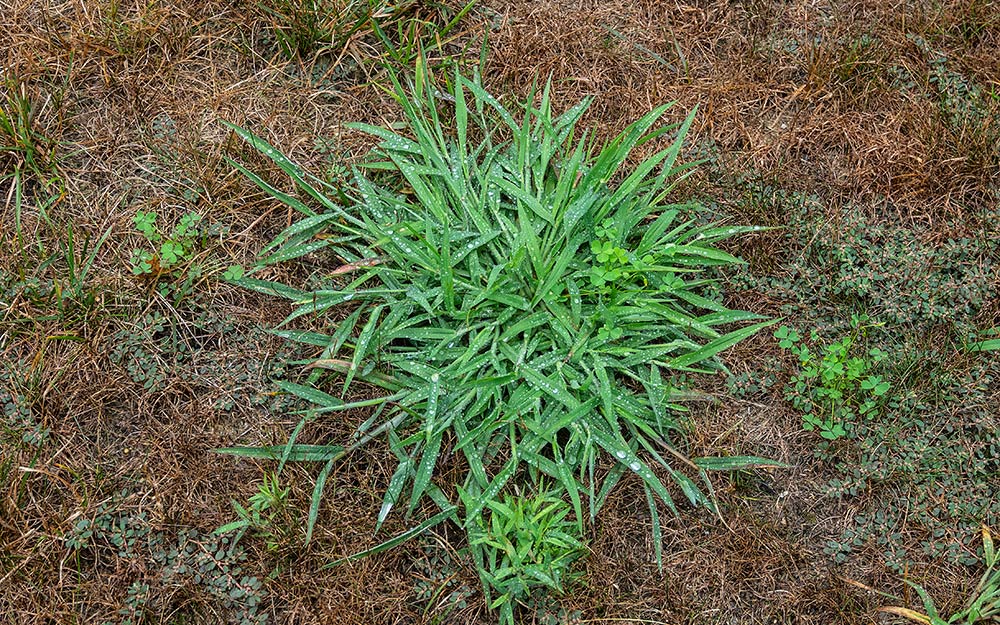
 Top Turf : 5/26/26, 10:27 AM
Crabgrass is germinating right now across the Southeast. Learn how to identify it in your Bermuda or Zoysia lawn and what to do about it fast.