




 Top Turf
How The Wet Weather Affects Mosquitoes
Rainy summer seasons mean mosquitoes are thriving. Here's what you can do to keep them at bay!
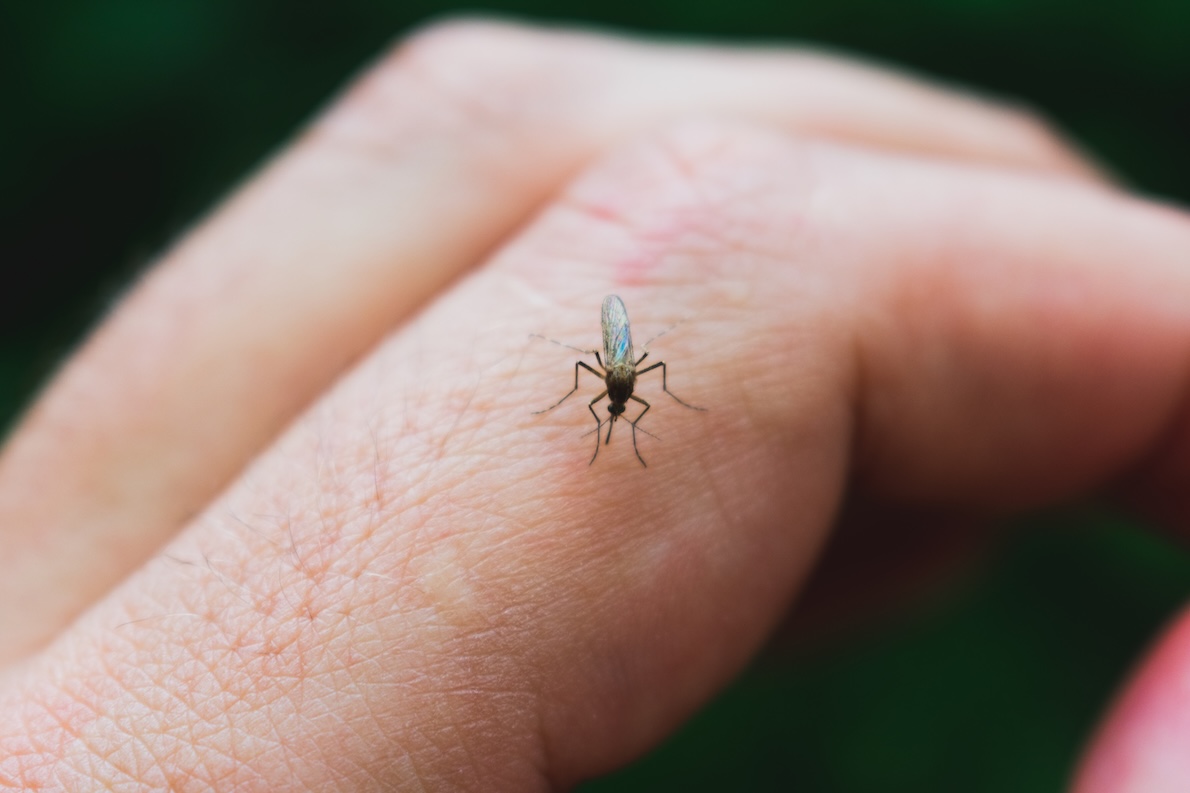
If you've stepped outside in Atlanta, Nashville, or Charlotte lately and immediately started swatting, you're not imagining things. Mosquito season is officially back across the Southeast, and the questions are flying in almost as fast as the bugs. Here's a roundup of what our team hears most this time of year, with straight, no-nonsense answers.
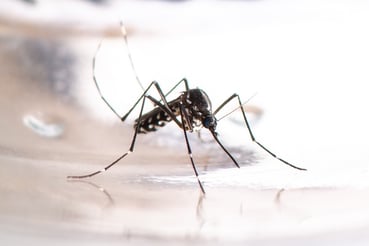
Short version: warm, humid weather and a really long calendar. The Southeast pretty much hits the mosquito jackpot. Long, mild springs that seem to arrive earlier each year. Plenty of rain. Sticky humidity. And trees, shrubs, and ground cover that create cool, shaded resting spots all over the typical yard. Every Top Turf service area — Nashville, Charlotte, Greenville-Spartanburg, Atlanta, and DFW — checks just about every box on a mosquito's wish list.
There's also the species mix. We deal with everything from the aggressive Asian tiger mosquito (active during the day, not just at dusk) to the common southern house mosquito that shows up in the evening. Different species, different habits, different times of day, which is part of why "I'll just stay inside after dinner" doesn't really cut it anymore.
In the Southeast, it starts earlier and ends later than most homeowners expect. As a general rule, mosquitoes become active when temperatures consistently stay above 50°F. That means parts of Texas and Georgia can see activity by late February, while the Carolinas and Tennessee tend to ramp up in March and April. Peak misery hits May through September.
Activity doesn't really stop until you get a hard frost or a sustained cold snap. If you're in DFW or Atlanta, that may not happen until late November, and some years, not really at all. Translation: it's a long season, and waiting until "the bites get bad" usually means you're already a few weeks behind.
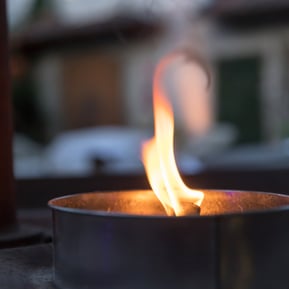
Sort of, and not really, in that order.
Citronella candles create a small, localized scent zone, useful if you're sitting directly downwind in a small area, far less useful for an entire backyard. Personal bug sprays containing DEET, picaridin, or oil of lemon eucalyptus do a solid job of protecting your skin while you're outside, but they don't reduce the mosquito population in your yard at all. The second you walk away, you take the protection with you.
The "natural" remedies you see on social media, essential oil sprays, garlic clips, marigolds planted along the fence, are mostly wishful thinking. A few have a faint repellent effect at very close range, but nothing replaces actually targeting the mosquitoes themselves at the source: your yard.
Related article: The Buzz on Mosquito Repellents: Do They Work?
This is the question we get most, and it's a fair one. Professional mosquito treatments target the places where mosquitoes spend the daylight hours: under the leaves of shrubs, in dense ground cover, around fence lines, and along the shaded sides of your home. We apply a fine, low-volume product to those harborage areas, which knocks down adults and continues to work for several weeks. Most homeowners notice a dramatic difference within a day or two.
Top Turf's Mosquito Program runs through the active season with treatments scheduled every few weeks, so coverage stays consistent without you having to think about it. We also focus on the spots most off-the-shelf mosquito products miss: like the underside of leaves, where mosquitoes actually rest during the day. It's not a one-and-done magic bullet, but a properly maintained yard is night-and-day more livable than an untreated one.
Related video: Top Turf's Mosquito Reduction Program
The boring but important answer: get rid of standing water. Mosquitoes only need a bottle cap's worth of water to lay eggs, and those eggs become biting adults in roughly a week. Take a slow walk around your yard and look for:
Saucers under potted plants
Clogged gutters and downspout extensions
Kids' toys, tarps, and wheelbarrows holding water
Birdbaths that haven't been refreshed in more than a few days
Low spots in the lawn that puddle after rain
Old tires, buckets, and forgotten planters
Also pay attention to irrigation. A leaking sprinkler head or a zone that's running too long can create persistent damp patches that mosquitoes absolutely love.
Hosting on the patio this summer? Set up a couple of oscillating fans! Mosquitoes are weak fliers and tend to avoid the breeze. Wear lighter-colored clothing (dark colors attract them more than people realize). And keep your grass and shrubs trimmed; tall, dense vegetation means more cool, humid hiding spots right next to where your family hangs out.
If you've got a Bermuda or Zoysia lawn, you're already mowing more often this time of year, good news, because shorter, healthier turf gives mosquitoes fewer places to chill. Tall Fescue folks, keep an eye on shady corners where the grass tends to thin out; those are favorite hangouts.
Mosquitoes are a fact of life in the Southeast, but they don't have to ruin your evenings on the patio. Top Turf's seasonal Mosquito Control Program is built for the long, sticky season we get across Nashville, Charlotte, Greenville-Spartanburg, Atlanta, and DFW, with professional-grade products applied to the right spots at the right time, all season long.
If you're ready to swat less and enjoy your yard more, give us a call or request a quote online. We'll handle the bites, you handle the lemonade.
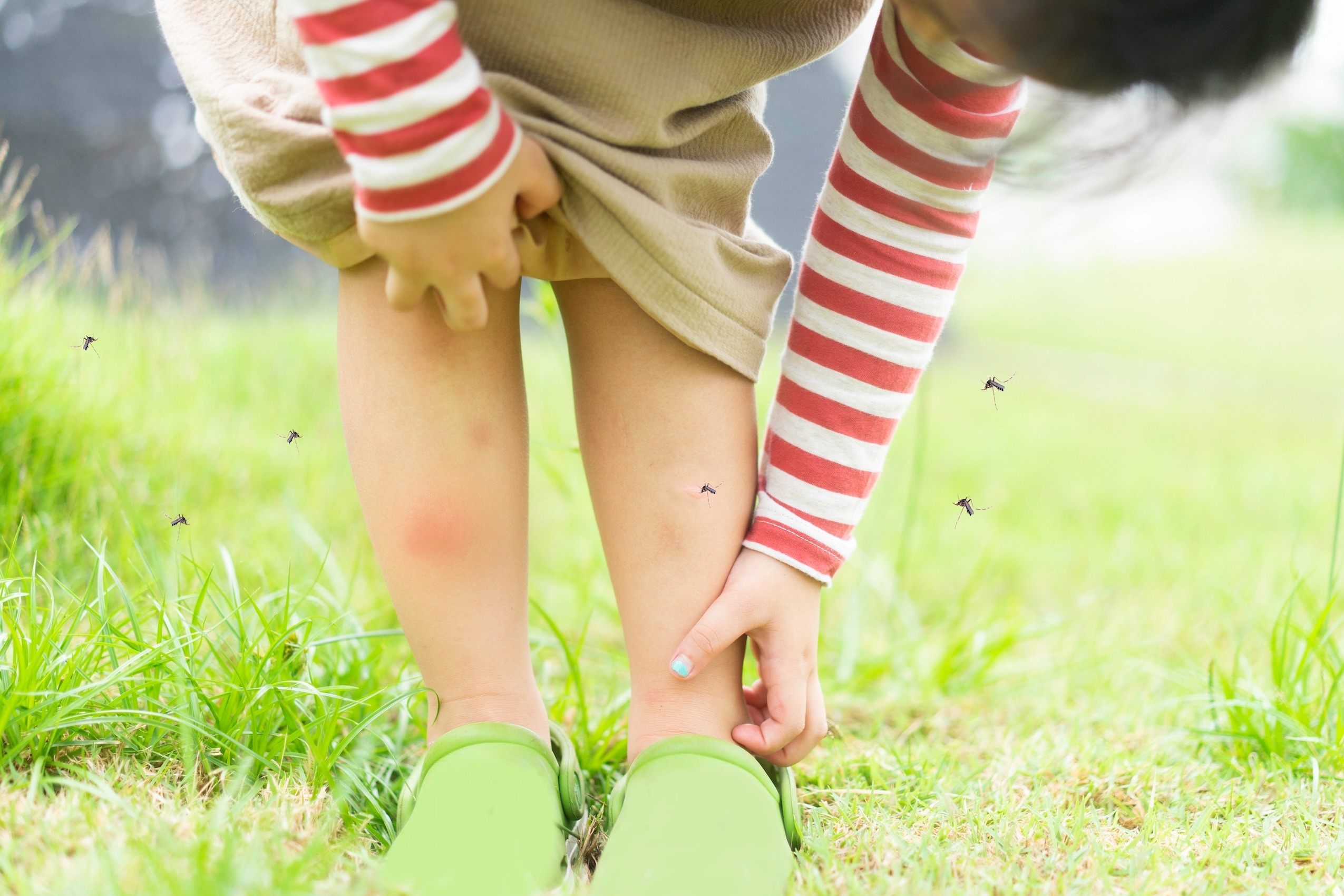
Rainy summer seasons mean mosquitoes are thriving. Here's what you can do to keep them at bay!

 Savanna Fiegl : 5/13/24, 9:57 AM
Don't let misleading claims leave you scratching your head – arm yourself with the knowledge to fend off mosquitoes effectively.

5 Ways to Protect Yourself and Your Family from Mosquitoes. By following these tips, you can help protect yourself and your family from mosquito...